
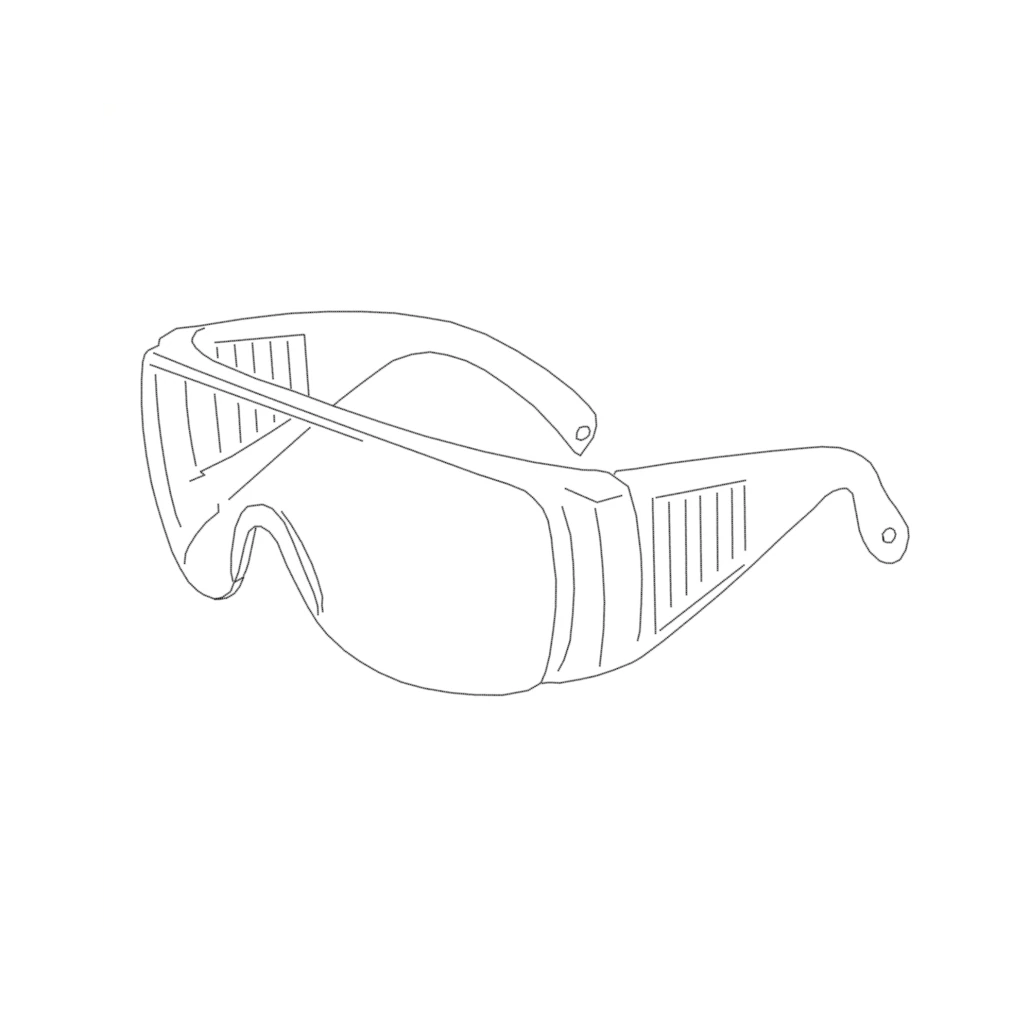
Eye and face protection
Protective equipment selected to shield the eyes and face from flying glass or abrasive particles, liquid splash, chemicals, and other assessed hazards.
Protective equipment selected to shield the eyes and face from flying glass or abrasive particles, liquid splash, chemicals, and other assessed hazards.
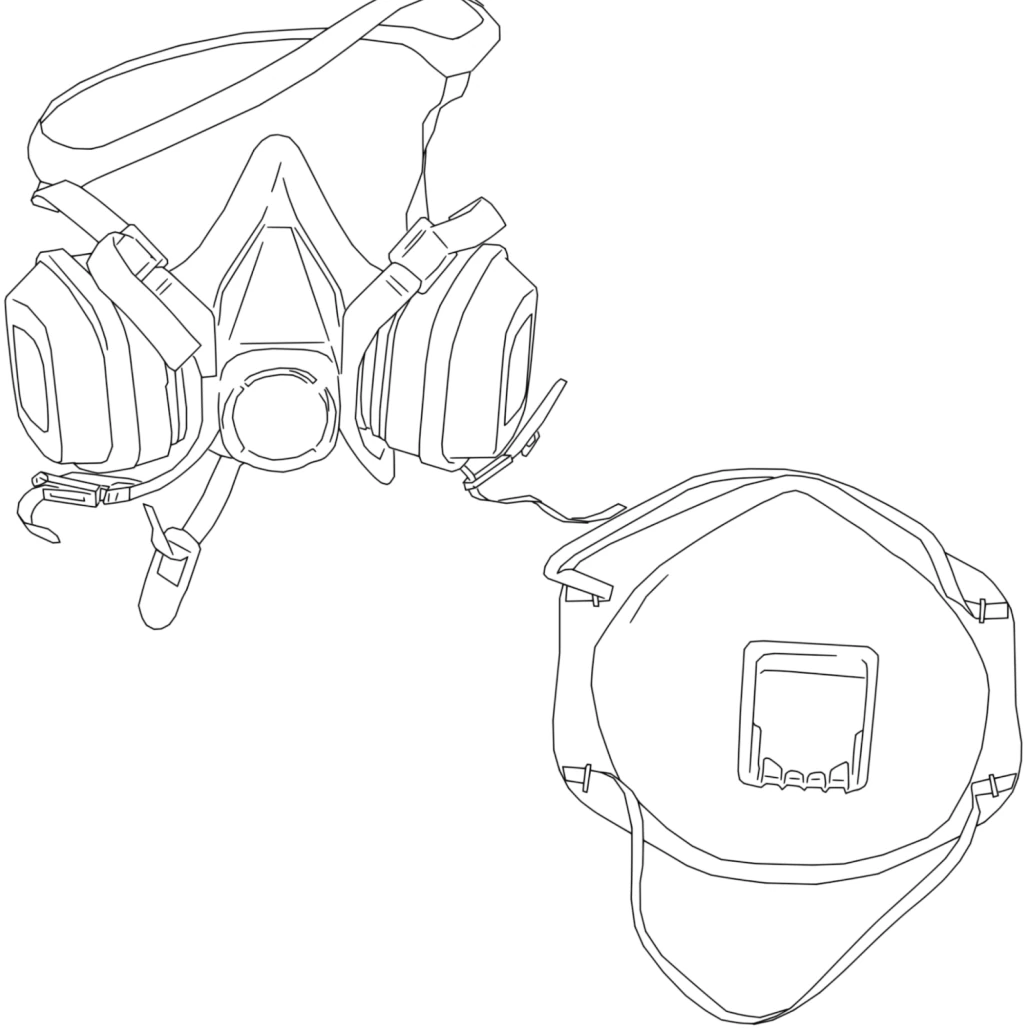
A regulated system of hazard evaluation, exposure control, respirator selection, medical evaluation, fit testing, training, use, maintenance, and program review when respirators are required.
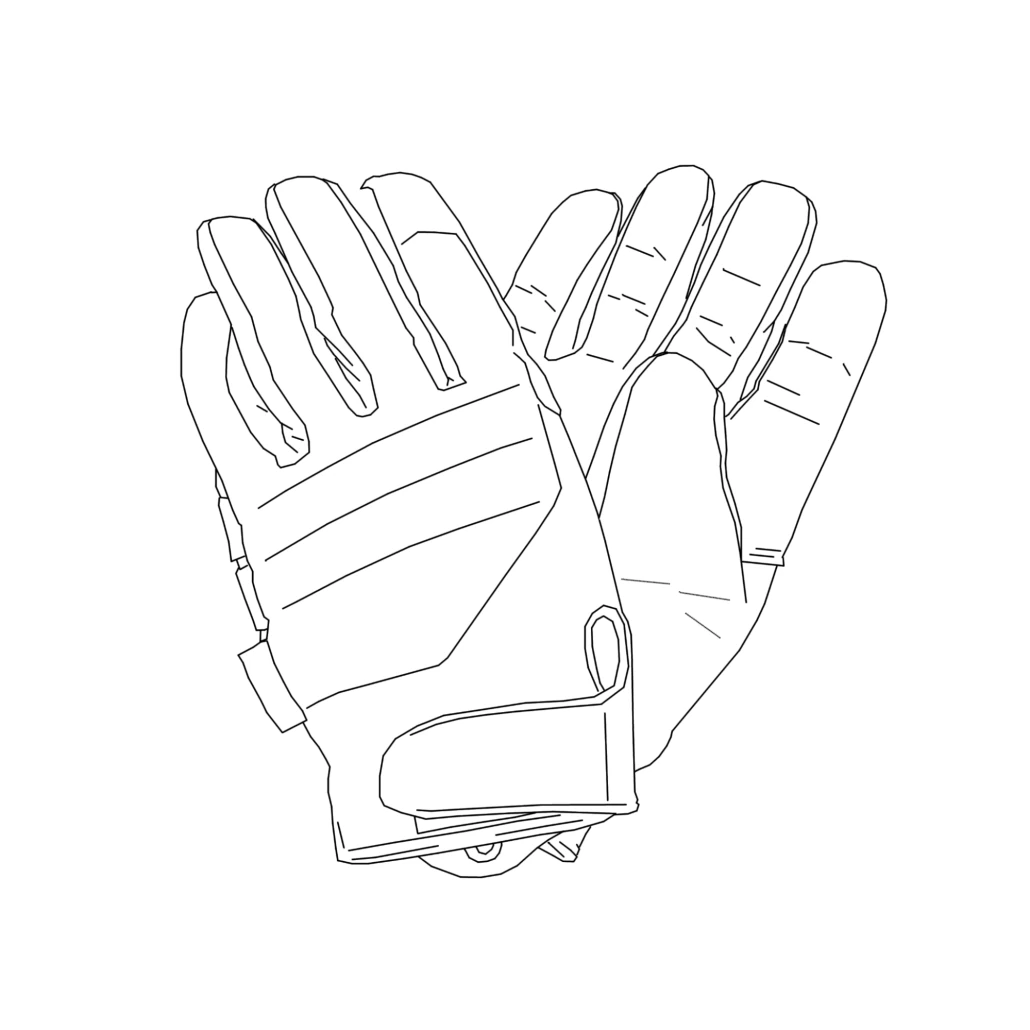
Wearable equipment selected to reduce exposure to hazards that remain after feasible engineering and administrative controls.
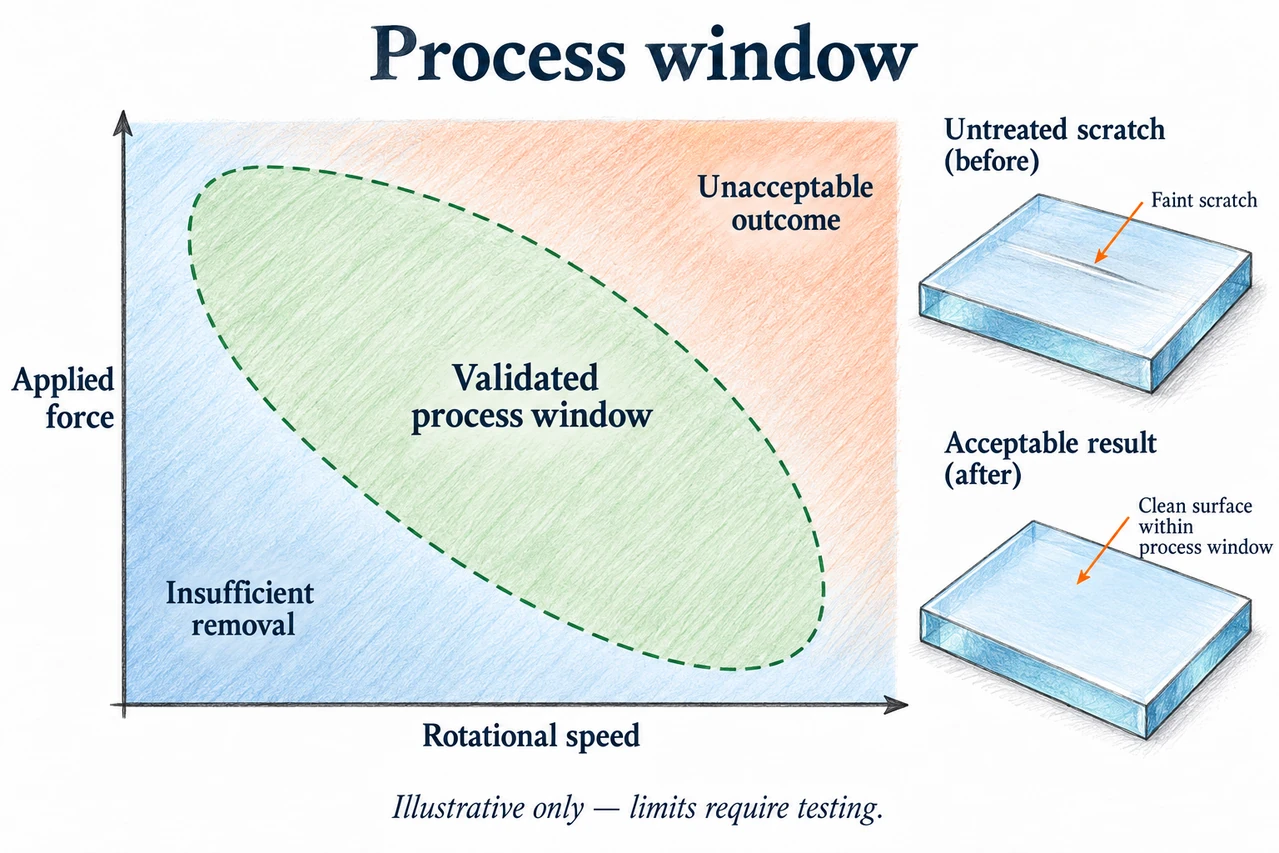
The validated range of interacting process conditions within which a defined glass, damage, tool, and stage can meet its intended result without unacceptable harm.
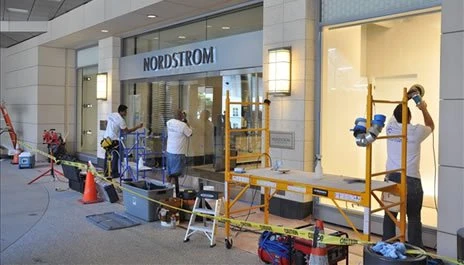
A documented evaluation of site, task, equipment, material, ergonomic, electrical, chemical, particle, access, public, and environmental hazards before and during work.
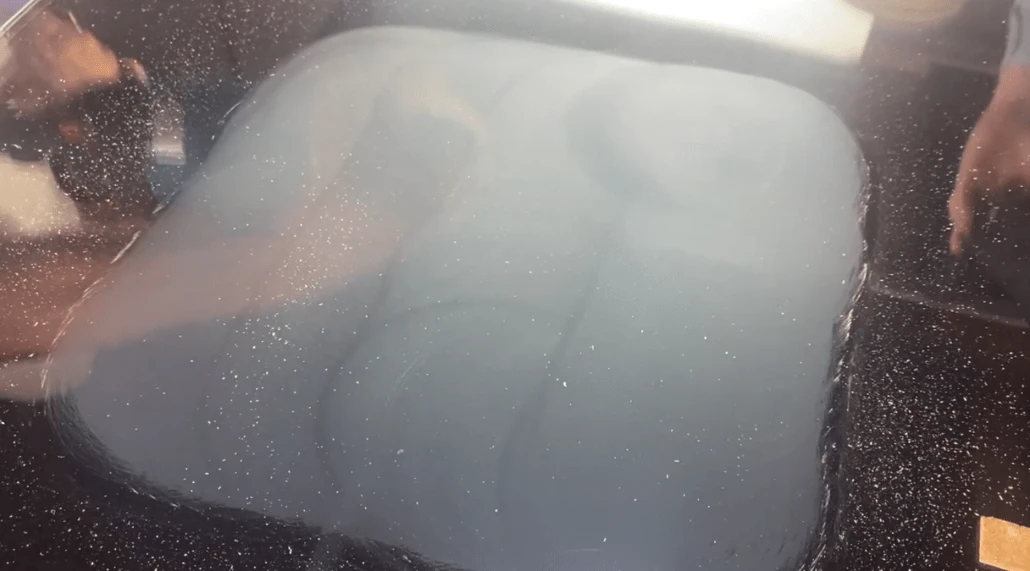
The controlled sequence from more aggressive damage removal through progressively finer refinement and final polishing.
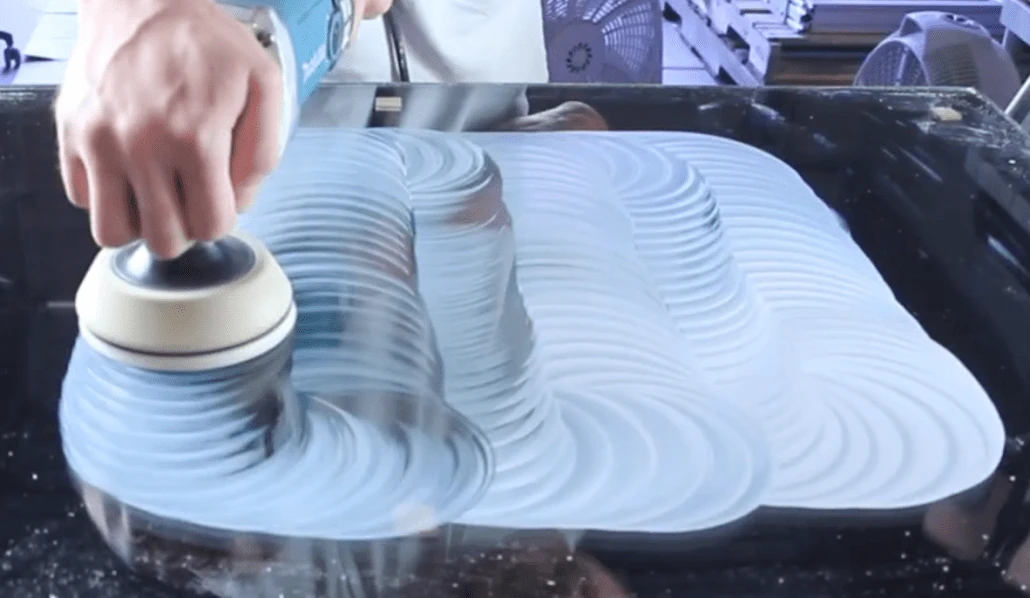
The last approved finishing stage used to reduce residual haze and tool marks and bring the treated area to the agreed optical and appearance criteria.
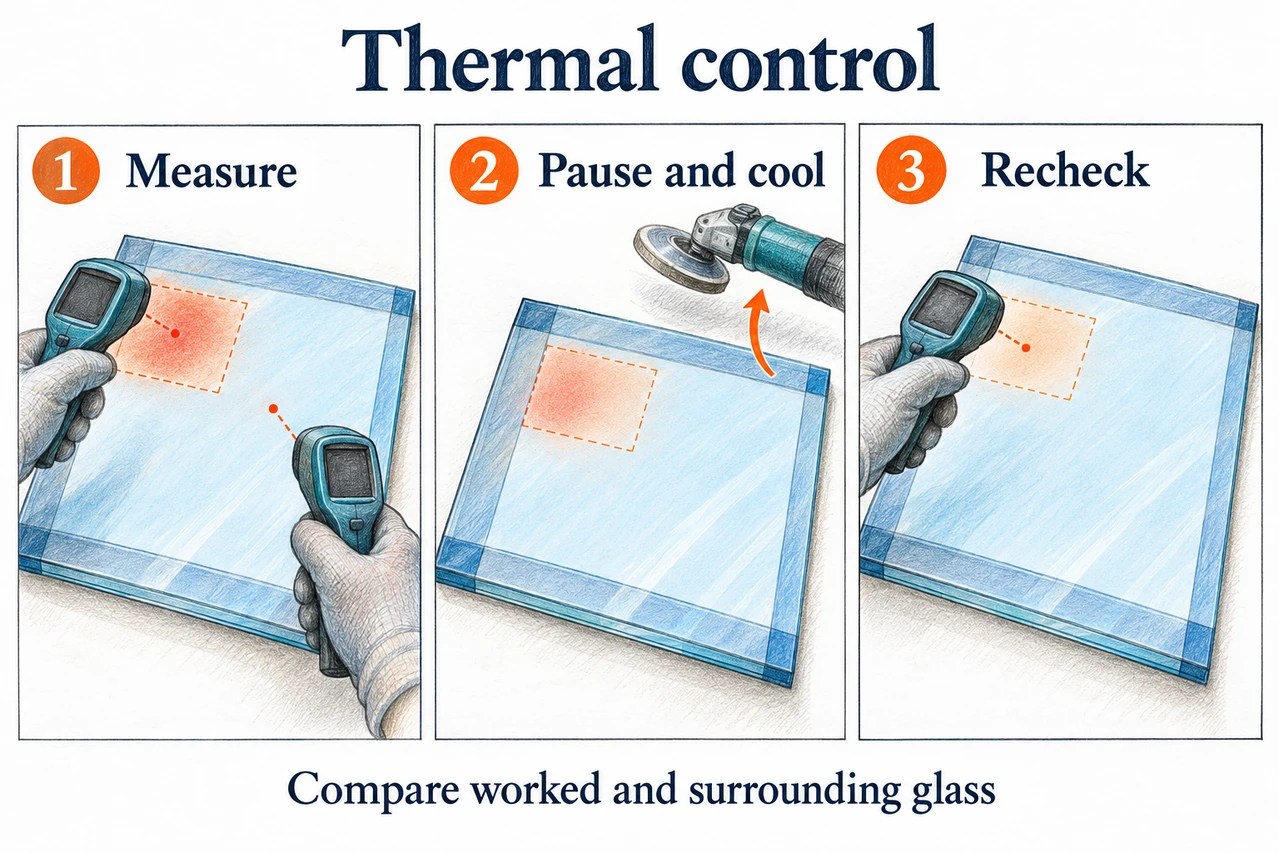
The planned monitoring and adjustment of process variables to keep glass, interlayers, coatings, tools, and surrounding materials within validated temperature and gradient limits.
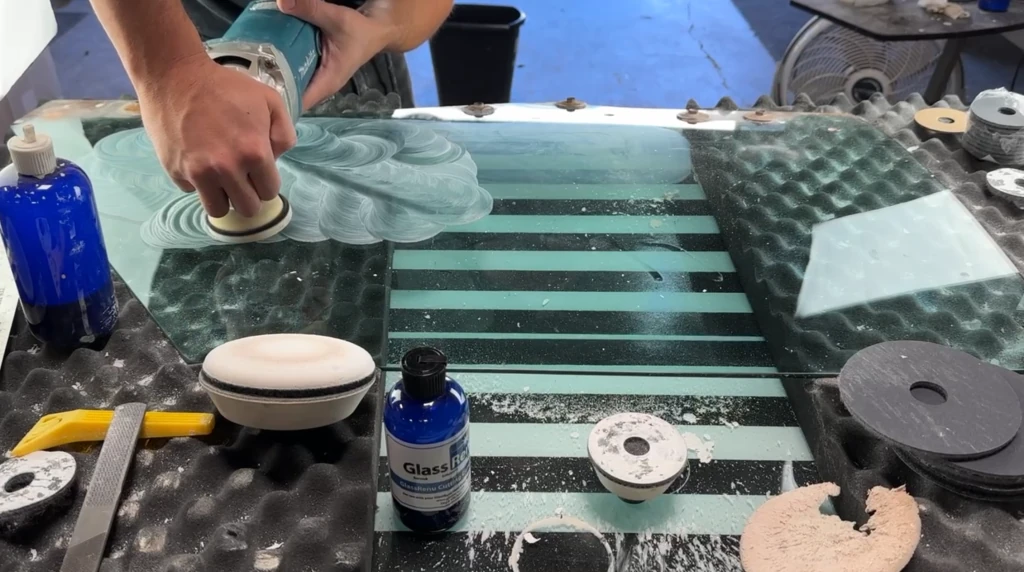
Unintended transfer of abrasive particles, glass stock, metal, chemicals, residue, fibers, or dirt between tools, stages, surfaces, containers, or work areas.
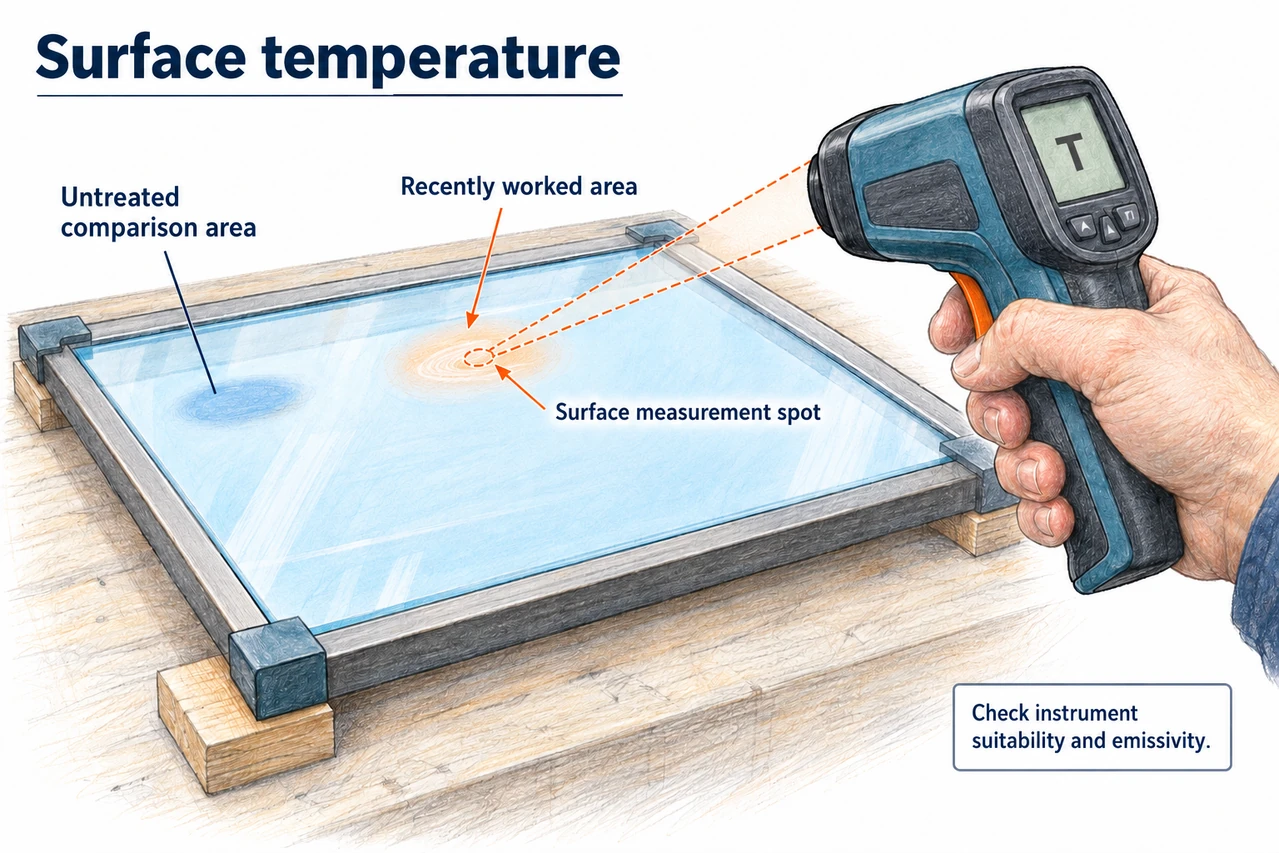
The temperature measured at a specified glass-surface location, time, area, and instrument configuration.