

Marine & Aerospace MRO
Restore optical clarity and reduce downtime by repairing glass damage when feasible
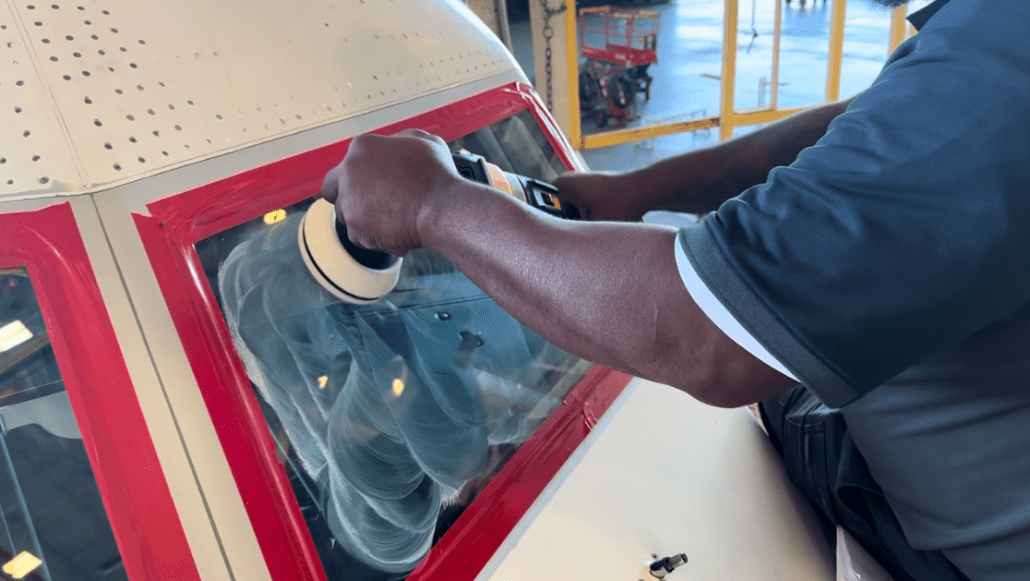
GlassRenu supports MRO teams with a controlled, standards-based glass restoration method — helping restore scratched, etched, and mineral-damaged glass when feasible, often reducing replacement delays and improving operational readiness.
Why glass damage becomes an operations problem
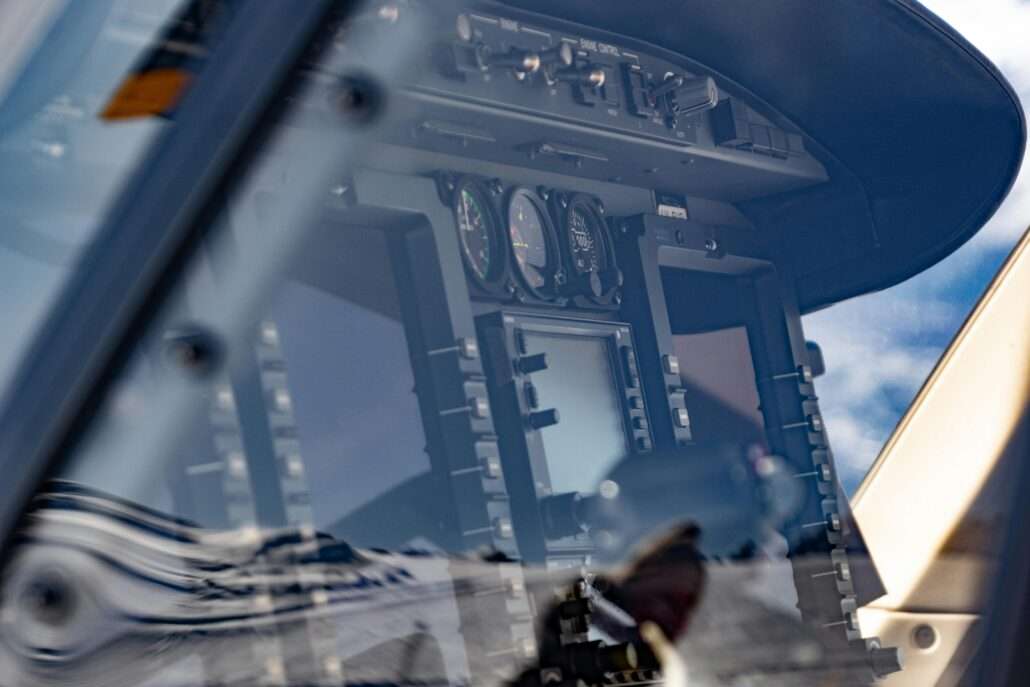
In marine and aerospace environments, glass isn’t just cosmetic. Clarity matters for safety, performance, and customer experience. When damage shows up—scratches, chemical exposure, mineral staining, or haze—the first impulse is often replacement. But replacement can create real friction: long lead times, logistics constraints, out-of-service time, and the cost and complexity of accessing or removing assemblies.
Restoration can be the better option when feasible—but only if it’s executed with discipline. Optical surfaces demand consistency, controlled technique, and clear acceptance checks. GlassRenu exists to provide a method that MRO teams can rely on: tooling, training, and a defined process designed to avoid guesswork and protect optical outcomes.

What GlassRenu enables for MRO teams
GlassRenu supports maintenance teams and service providers who need a predictable path to improve glass condition without improvisation:
- A structured way to evaluate damage and determine feasibility
- A controlled restoration method designed to return clarity and consistency
- Training and repeatable technique that reduces the risk of distortion or uneven finish
- Guidance on setup, workflow, and inspection expectations
- A capability pathway: start with manageable restoration and expand with experience
The goal is simple: restore what makes sense, replace what doesn’t—while minimizing downtime and surprises.
Common MRO use cases (where restoration is often considered)
Restoration may be explored when:
- Replacement parts have long lead times or logistical complexity
- The damage is localized but the impact on visibility is high
- The asset needs to return to service quickly
- Access/removal creates additional risk or labor burden
- Multiple units show similar wear patterns over time
Depending on the application, teams may consider restoration for:
- Scratching from contact, handling, or environmental abrasion
- Chemical etching or exposure damage
- Hard-water/mineral spotting or haze from repeated washdowns
Feasibility depends on the specific glazing, coatings, and performance requirements—so the process begins with assessment and a realistic restore vs. replace decision.
The MRO value proposition
✔ Reduce downtime and keep assets operational
When feasible, restoration can shorten the path to “clear and acceptable” compared to waiting on replacement or coordinating complex removal/reinstall sequences.
✔ Improve clarity and appearance without a full replacement cycle
Restoration aims to return the surface to acceptable visual performance—especially when the alternative is living with reduced visibility or extended out-of-service time.
✔ Add a disciplined, repeatable method (not ad-hoc polishing)
Optical surfaces punish inconsistency. A defined progression, trained technique, and proper inspection checks reduce risk and improve predictability.
✔ Build internal capability or standardize subcontracted outcomes
Whether your team performs the work or you rely on service partners, having a standardized method improves consistency across technicians and locations.
How it works (controlled workflow)
- Assessment & feasibility
Damage type and severity are evaluated. Requirements and constraints are considered (glass type, coatings, access, performance expectations). This step determines restore vs. replace or whether a pilot is needed. - Method selection
The restoration path is chosen based on defect category and the optical requirement of the application. - Controlled restoration progression
A step-by-step method levels the surface and returns clarity while minimizing the risk of distortion or uneven finish. - Verification under agreed inspection conditions
Results are checked under conditions that reflect real-world performance and acceptance expectations.
What you get with GlassRenu
Professional systems + consumables
Tooling and process consumables designed for consistent outcomes.
Hands-on training
Technique discipline, method selection, and quality checks that make results repeatable—not dependent on “feel.”
Standards-based guidance
Documentation and decision frameworks to support restore vs. replace thresholds and consistent inspection.
Support for implementation
Help aligning workflow, pilot strategy, and operator capability development.
A practical adoption approach
Most MRO teams begin with a pilot:
- Select a small set of representative damage conditions
- Establish acceptance criteria based on the application
- Run a controlled test area to confirm feasibility and finish
- Train the appropriate personnel or standardize service-provider execution
- Scale only after results meet expectations
This keeps restoration disciplined and aligned with operational and safety requirements.
Call to action
If glass condition is creating downtime, visibility issues, or replacement delays, restoration may be a practical path—when feasibility and acceptance are aligned.
Next steps:
- Review use cases and define restore vs. replace thresholds
- Plan a pilot with documented acceptance criteria
- Equip and train for repeatable restoration outcomes
GlassRenu.com
(Insert email / phone / QR code here)