
INDUSTRY APPLICATION · Glaziers, project managers and installation teams
Glass Shops & Installers
Margin protection · Close projects without avoidable reorders
Turn suitable punch-list glass damage into a controlled closeout option instead of another order, delivery and mobilization.
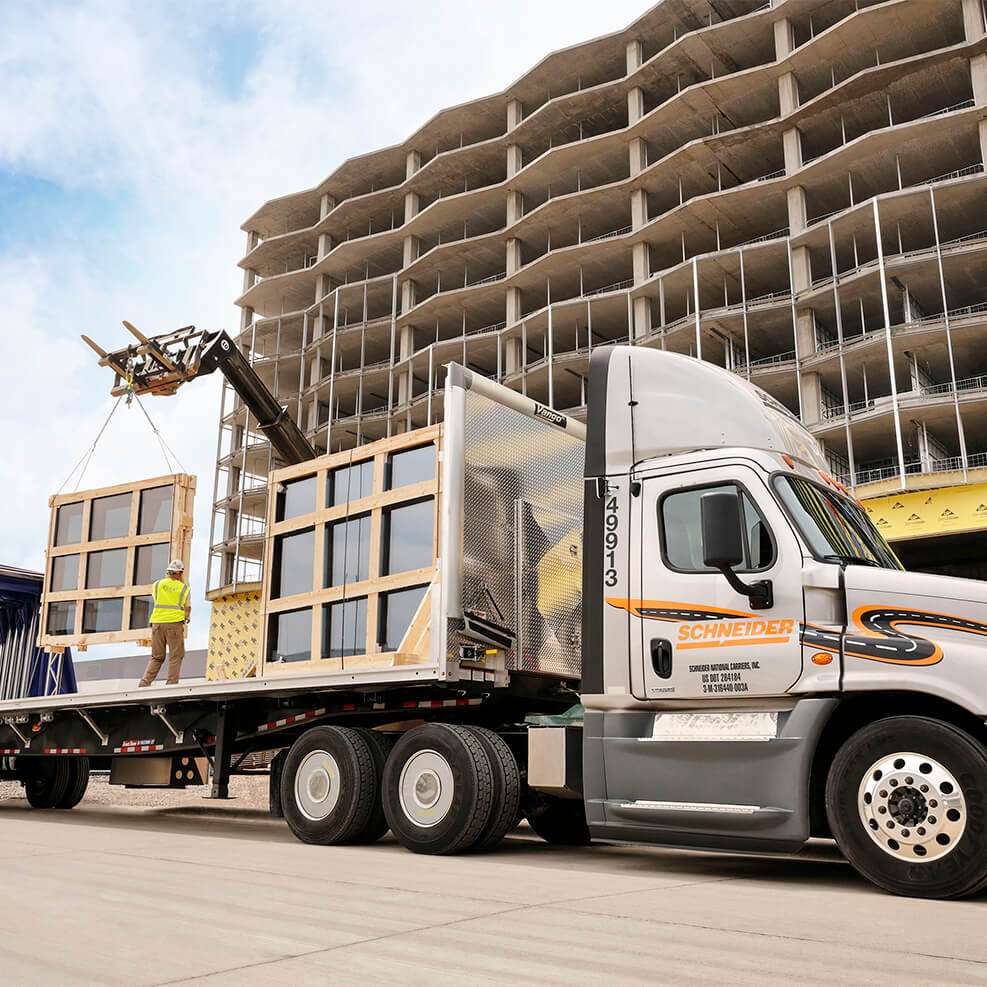
WHY EVALUATE RESTORATION
For suitable conditions: lower total cost, faster resolution, controlled quality
These are decision criteria, not universal promises. Confirm the glass, condition, access and acceptance requirements through a representative trial.
Compare repair with reorder, access and remobilization costs.
Address selected punch-list damage within a planned closeout workflow.
Agree viewing conditions and a representative trial with project stakeholders.
START WITH YOUR QUESTION
What brought you here?
WHAT ARE YOU SEEING?
Go directly to the conditions most relevant to your work


THE DECISION
A practical restoration decision
A localized surface defect can lead to a reorder, another site visit and coordination across trades. Establish whether restoration belongs in the closeout plan.
FROM ASSESSMENT TO ACCEPTANCE
Turn a punch-list item into a documented closeout decision
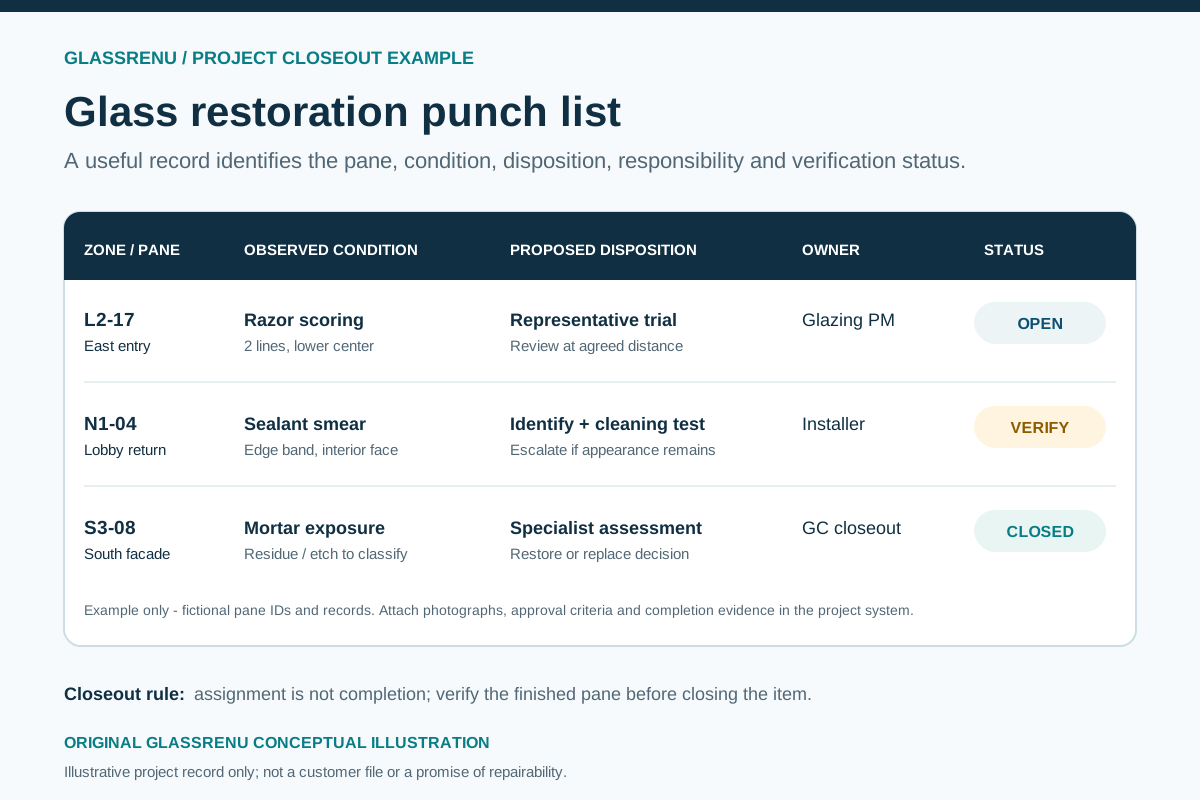
The record travels with the pane: location, observed condition, trial authority and final disposition.
- Photograph and identify the elevation, opening and pane.
- Classify the observed residue or damage before assigning a remedy.
- Agree the trial area, viewing conditions and approval responsibility.
- Record restored, referred or replaced and attach the closeout evidence.
TECHNICAL DETAIL
Use the decision model in this work environment
Build a usable punch-list record
Record elevation or room, opening and pane ID, a plain-language condition, photo reference, responsible party, due date and current status.
Separate discovery from disposition
A scratch or residue entry identifies what was observed. Restore, monitor, refer or replace is a later decision made after qualification.
Close with evidence
Verification should record who reviewed the completed work, the agreed viewing condition and the final closeout status.
CONNECTED REFERENCE
Continue with definitions, standards and guidance
Relevant terms
- ScratchGRK-032 · Core glossary
- Chemical etchingGRK-036 · Core glossary
- MockupGRK-145 · Core glossary
- Acceptance criteriaGRK-151 · Core glossary
- Post-restoration verificationGRK-160 · Core glossary
- Cost of QualityGRI-001 · Industry glossary
- Standardized WorkGRI-002 · Industry glossary
- ReworkGRI-003 · Industry glossary
- Punch ListGRI-005 · Industry glossary
- MobilizationGRI-006 · Industry glossary
- Lead TimeGRI-007 · Industry glossary
Guides and pathways
External context
- NGA: Proper Procedures for Cleaning Architectural Glass Products, December 2023external contextual reading; not a GlassRenu endorsement or restoration approval
YOUR NEXT MOVE
Margin protection · Close projects without avoidable reorders
Bring GlassRenu a real punch-list condition, the glass construction and the project acceptance question. We can help identify the right technical resource, training path or a more detailed consulting assessment for a complex closeout.
COMMON QUESTIONS
Before a pilot or project begins
Can restoration replace the project acceptance process?
No. Agree the viewing conditions, visual expectations and approval responsibilities with project stakeholders before the trial and completed work are reviewed.
Should every damaged pane be quoted for restoration?
No. Assess each damage group and construction type. A project may appropriately combine restoration, specialist escalation and replacement.
READY TO CONTINUE?
Turn suitable punch-list glass damage into a controlled closeout option instead of another order, delivery and mobilization.
Add a qualified restoration option to the punch-list and closeout conversation.