
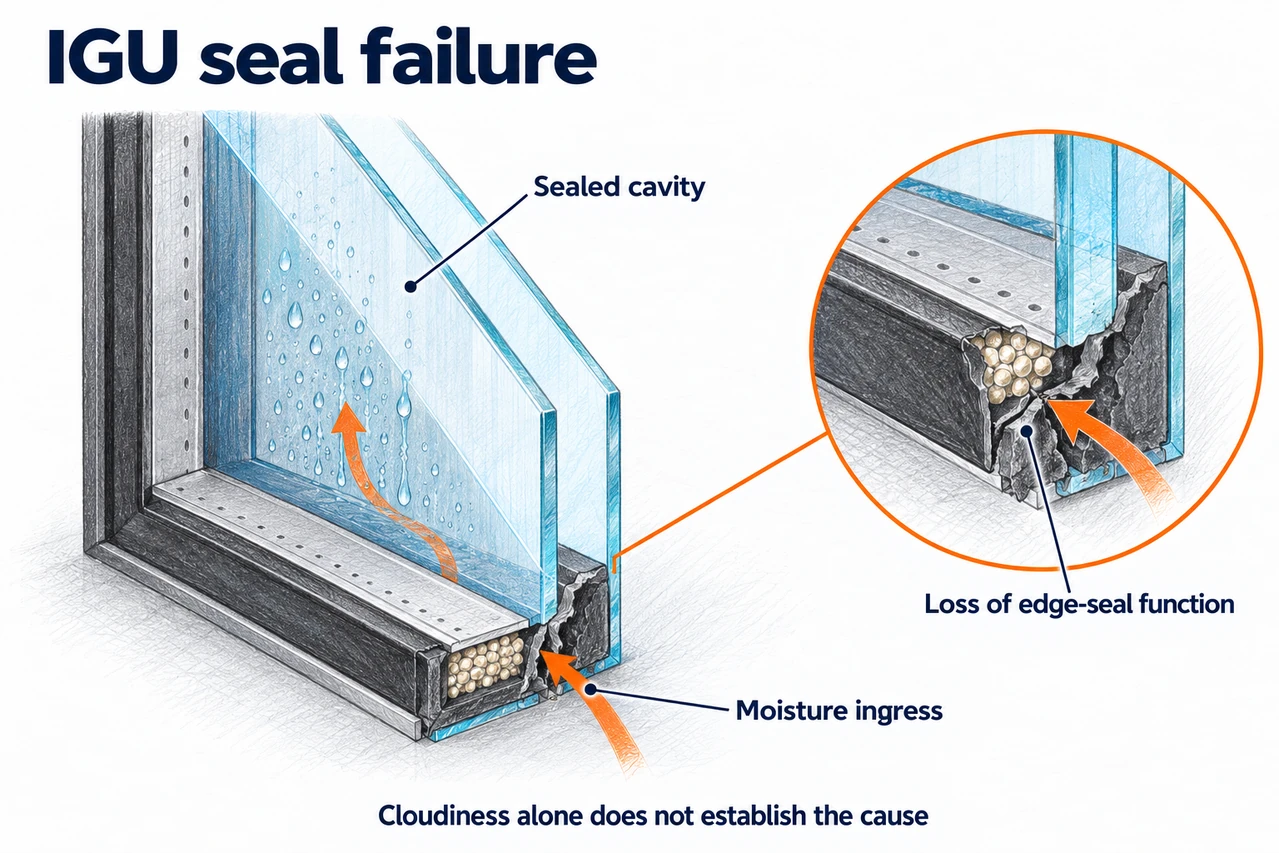
IGU seal failure
Loss of one or more required edge-seal functions in an insulating glass unit, potentially allowing excessive moisture or gas exchange, fogging, contamination, displacement, or loss of durability.
Loss of one or more required edge-seal functions in an insulating glass unit, potentially allowing excessive moisture or gas exchange, fogging, contamination, displacement, or loss of durability.
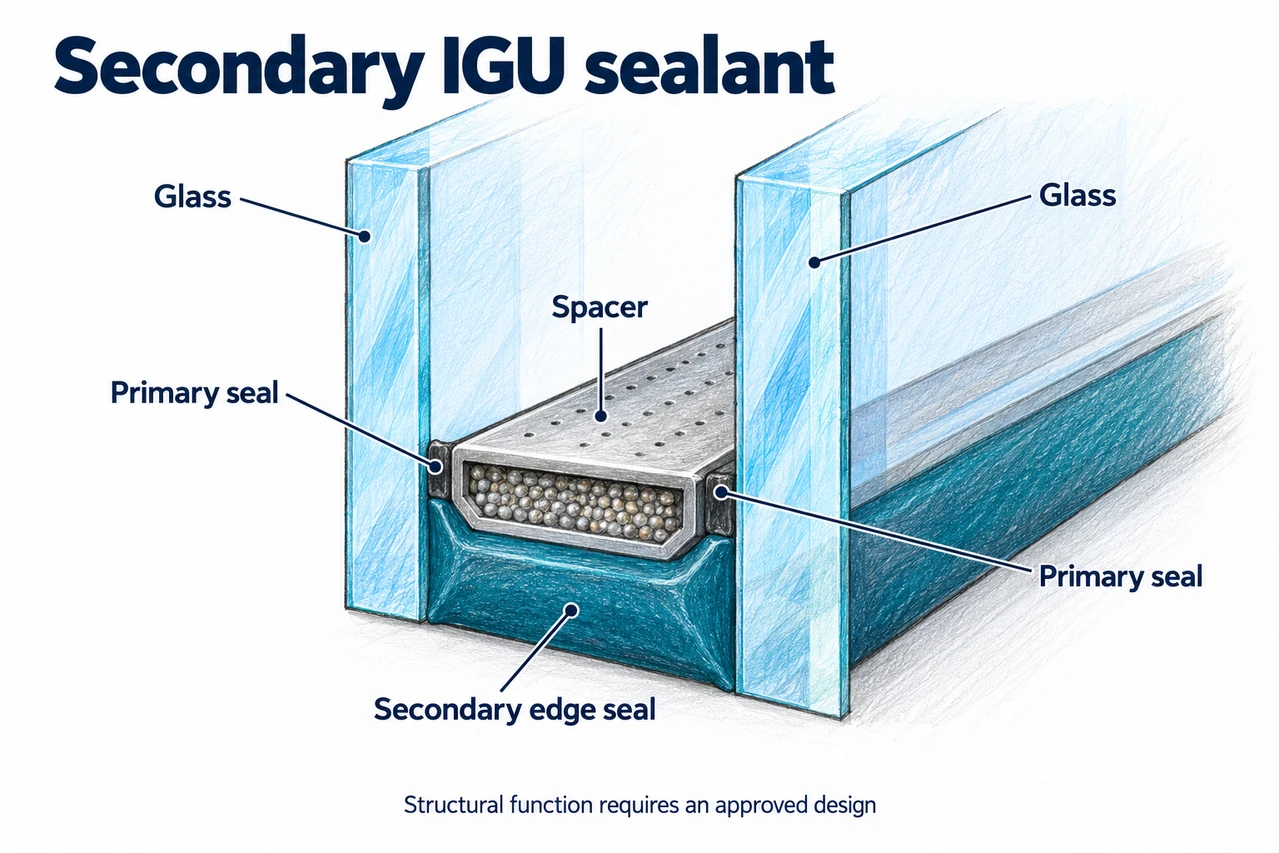
The outer edge-seal material in a dual-seal insulating glass unit, used to provide durability, adhesion, mechanical restraint, and, in structural glazing, a specifically designed structural function.
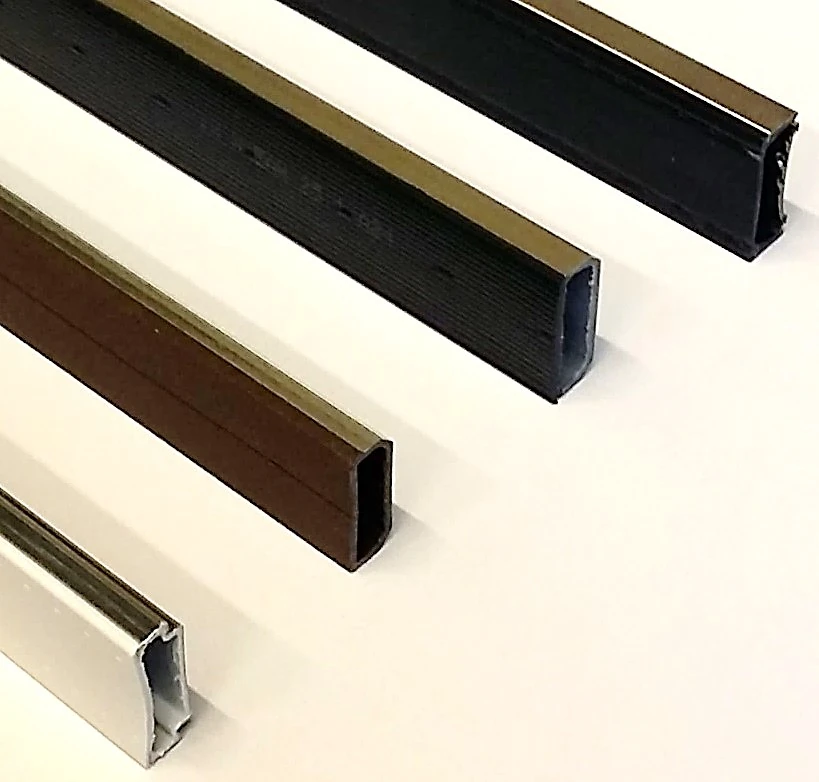
The perimeter component that separates IGU lites and helps establish cavity width, edge-seal geometry, and often a reservoir or path for desiccant.
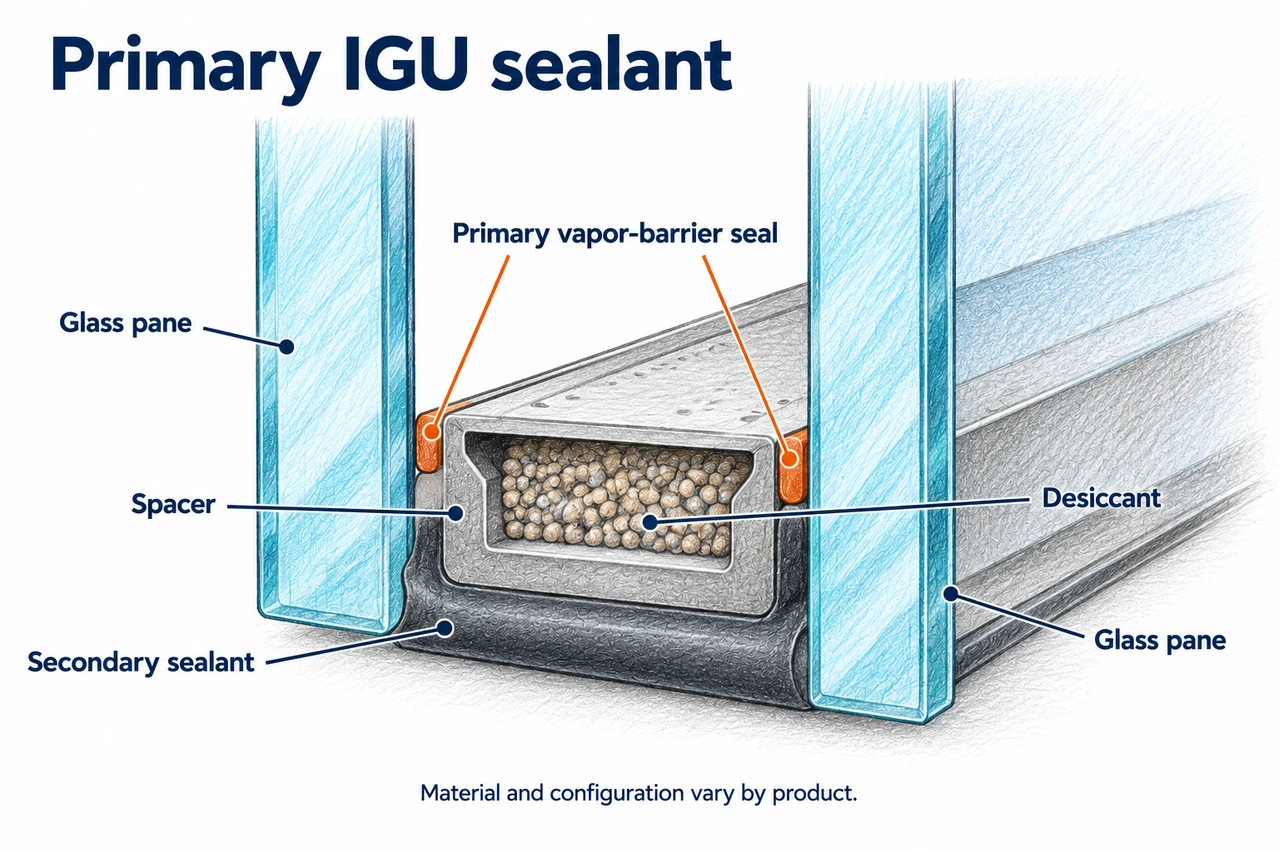
The innermost edge-seal material in many dual-seal insulating glass units, commonly serving as the principal moisture- and gas-vapor barrier between spacer and glass.

A broad description for glass installations with little or no visually dominant perimeter framing, often using clamps, channels, pivots, patch fittings, sealant joints, or point supports.
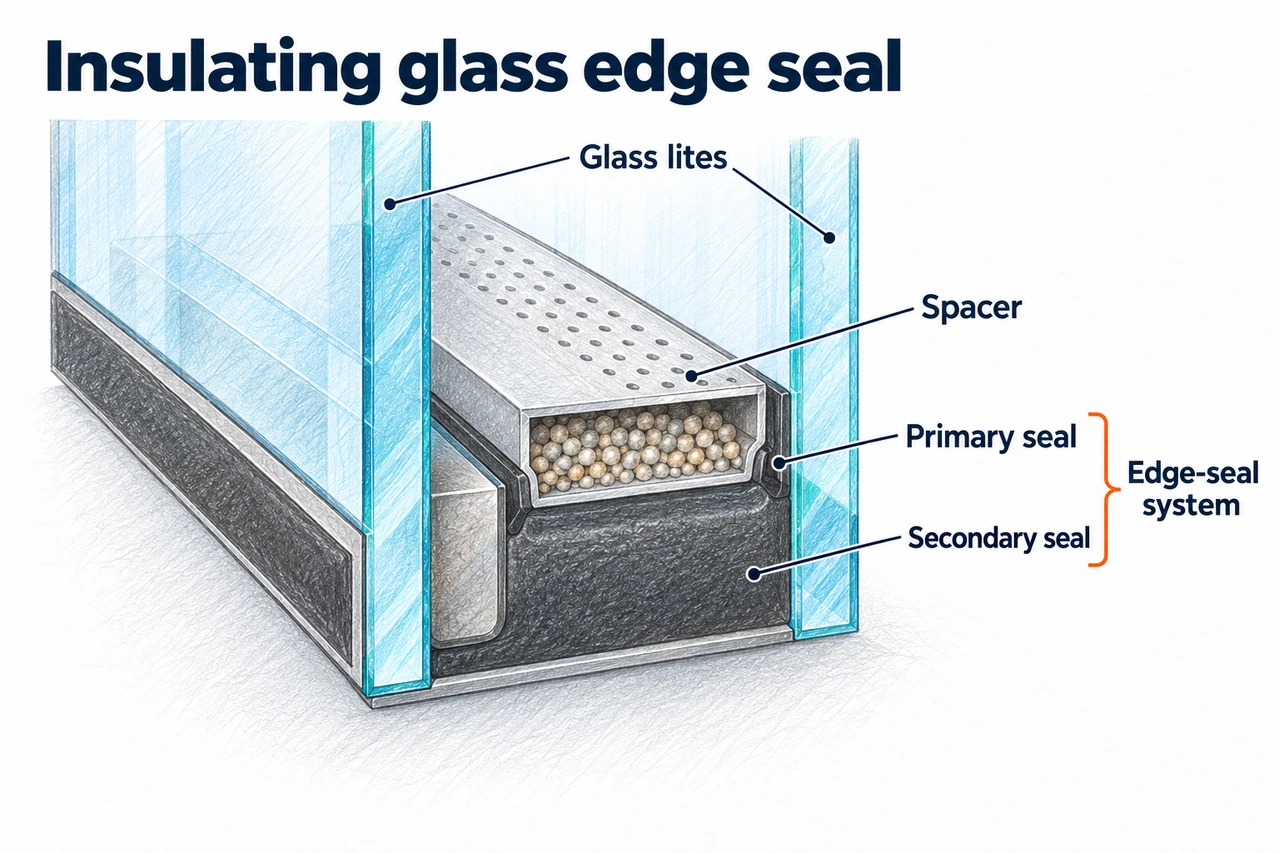
The perimeter sealing system that joins the lites and spacer of an insulating glass unit and limits moisture or gas exchange while maintaining the cavity.
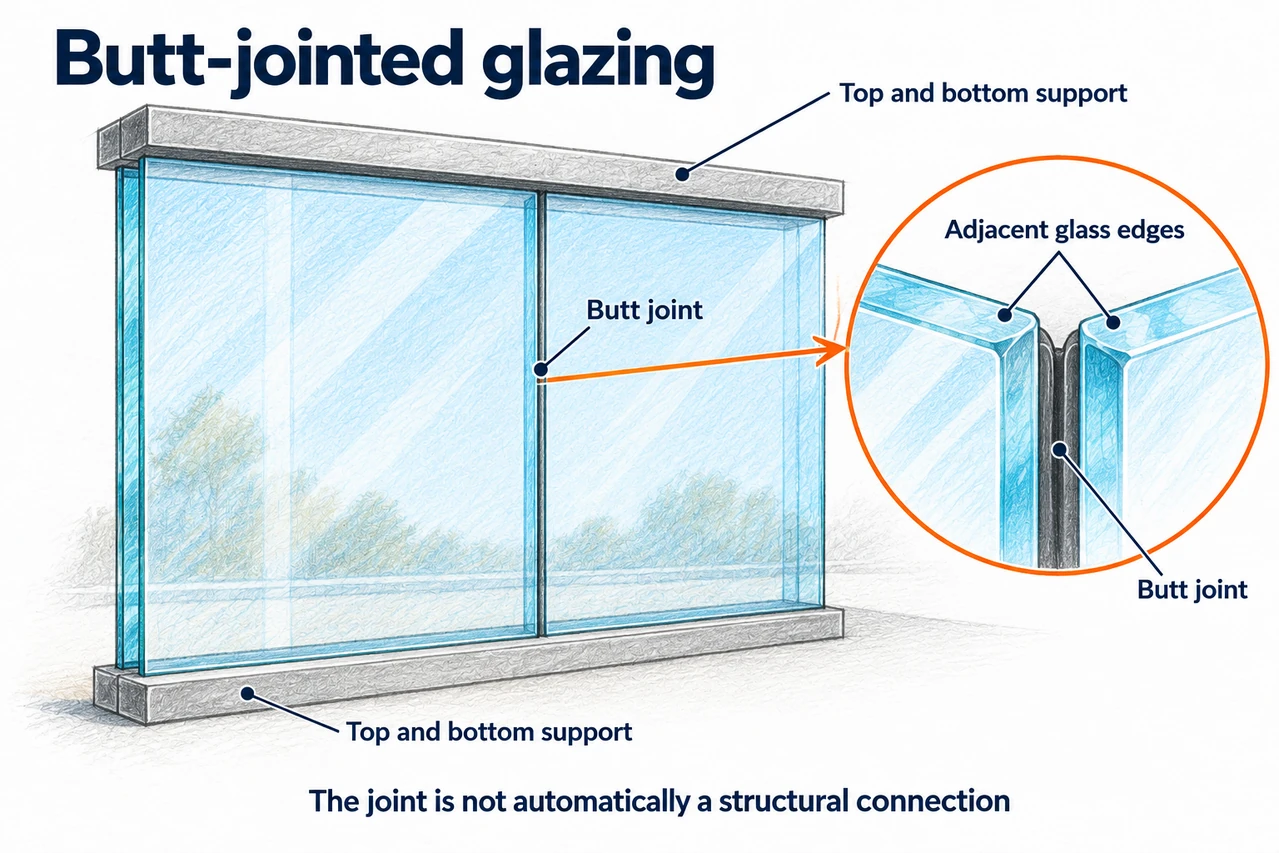
A configuration in which adjacent glass edges meet at an open or sealant-filled joint without a conventional mullion directly covering that joint.
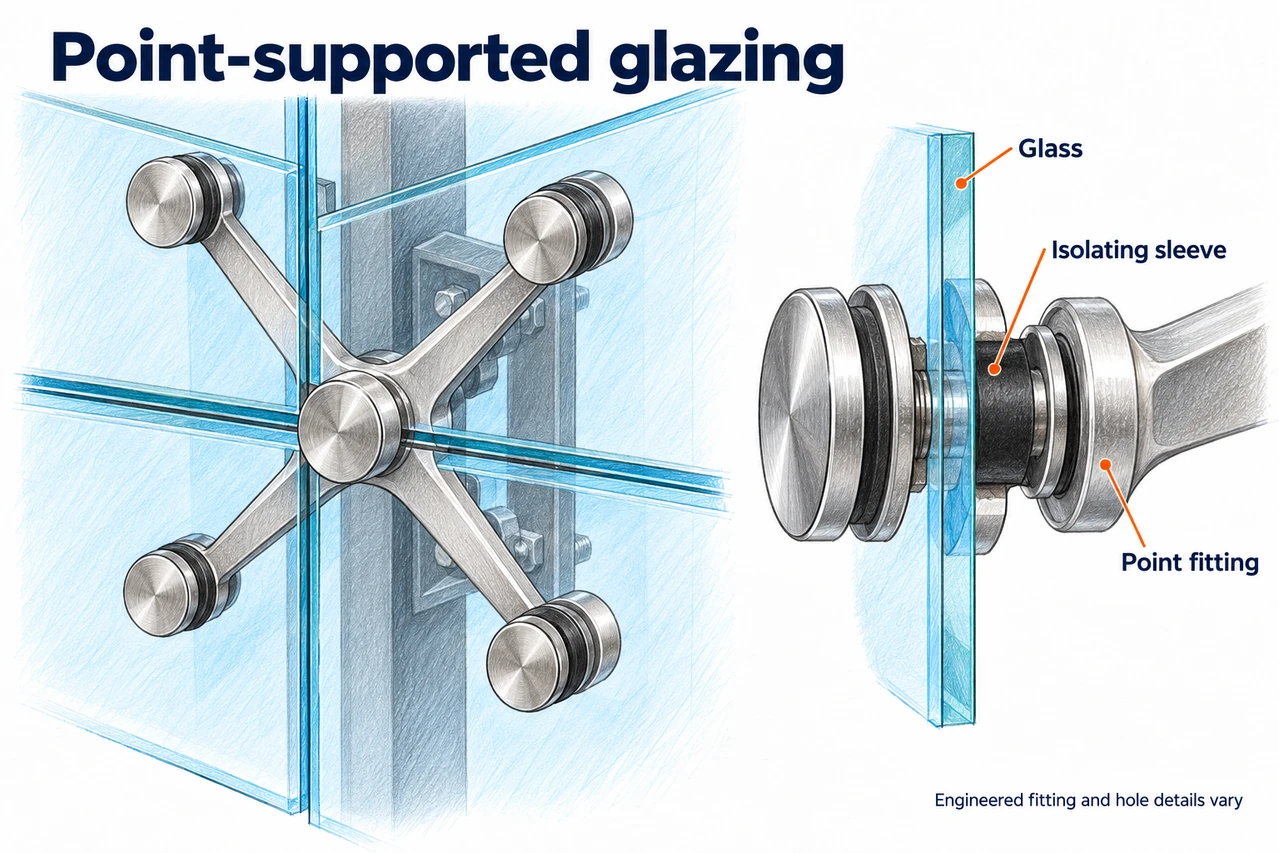
A glazing system in which discrete fittings, bolts, clamps, or connectors support glass at localized points rather than continuously along conventional framed edges.
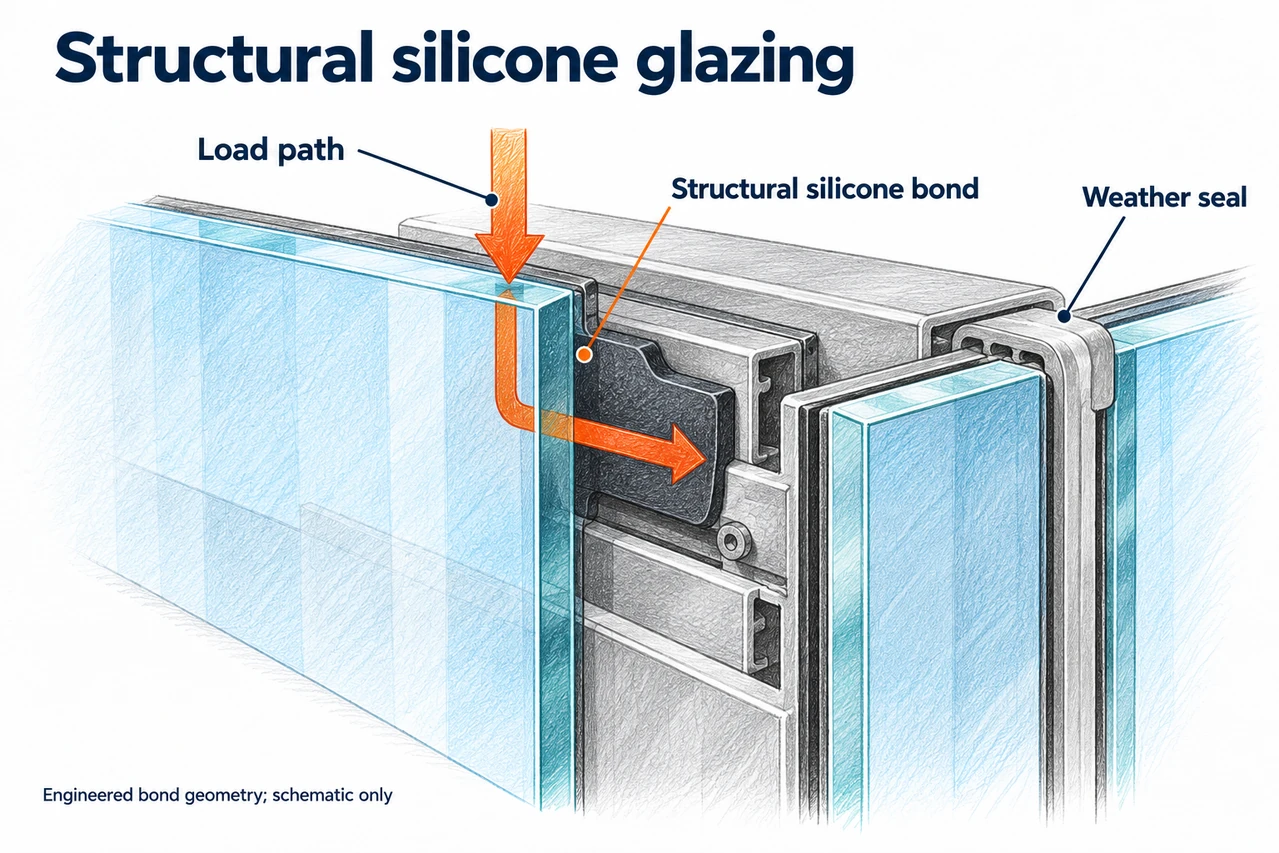
A glazing method in which a qualified structural silicone sealant transfers specified loads between glass or panels and supporting framing.
A glazing configuration in which framing, stops, caps, or other mechanical components retain the glass edge on two, three, or four sides.