Glass polishing
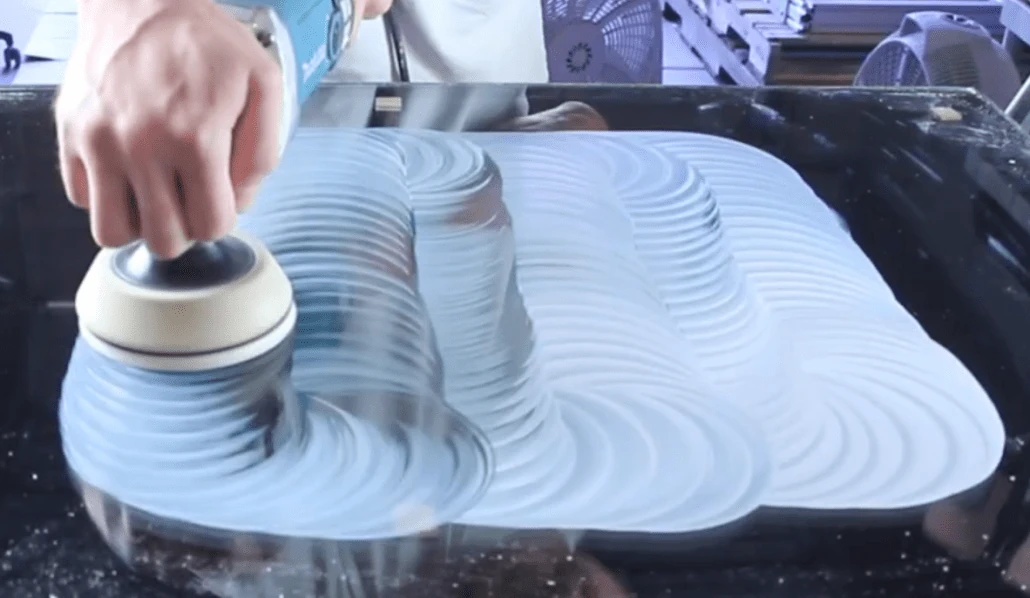
A controlled finishing process that removes or smooths a thin surface layer to reduce roughness, scratches, haze, or optical defects.
A controlled finishing process that removes or smooths a thin surface layer to reduce roughness, scratches, haze, or optical defects.
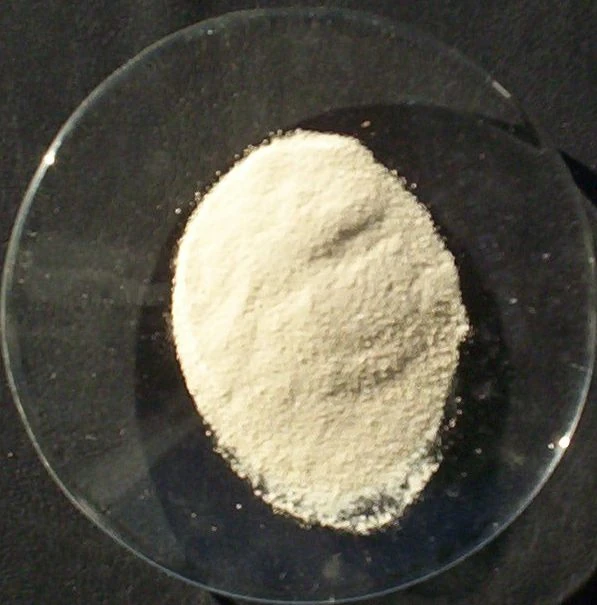
A cerium-oxygen compound, commonly represented as CeO2, used in many glass-polishing systems as an abrasive and chemically active polishing medium.
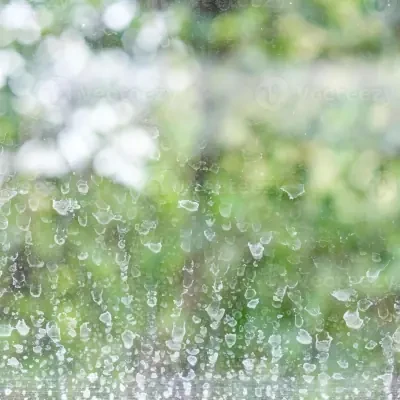
Mineral-rich material deposited on exposed glass as mineral-bearing water evaporates. It remains a surface deposit only when controlled removal exposes clean glass with no modeled micro-texture (SC-0).
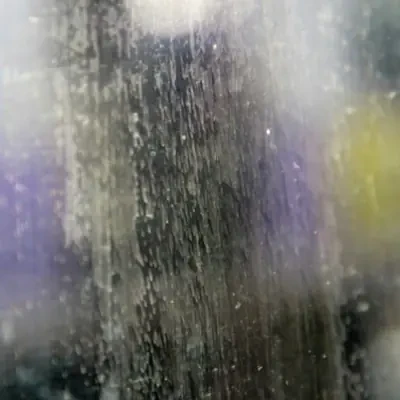
Chemical alteration of a glass surface through interaction with water, humidity, pollutants, salts, or other environmental agents over time.
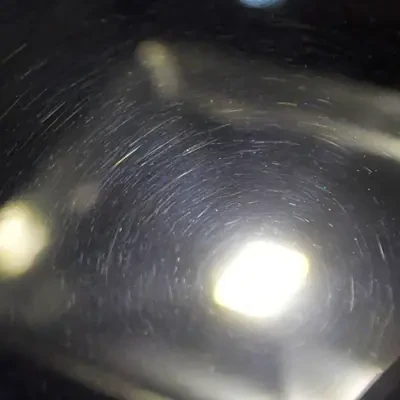
Surface wear produced by rubbing, sliding, or impacting particles or materials against glass, often creating many fine scratches or generalized haze.

A chemical reaction that alters or removes part of the glass surface or an applied coating, changing texture, clarity, or reflectance.
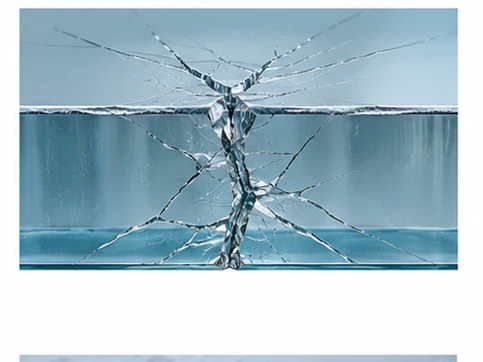
A fracture in which the glass has separated along a new internal surface, even if the opening is extremely small.
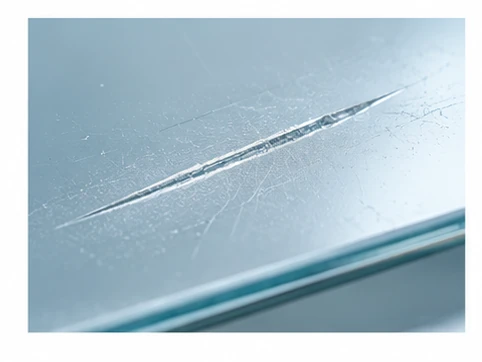
An elongated surface-damage track produced when contact or an abrasive action displaces or removes material from glass.