
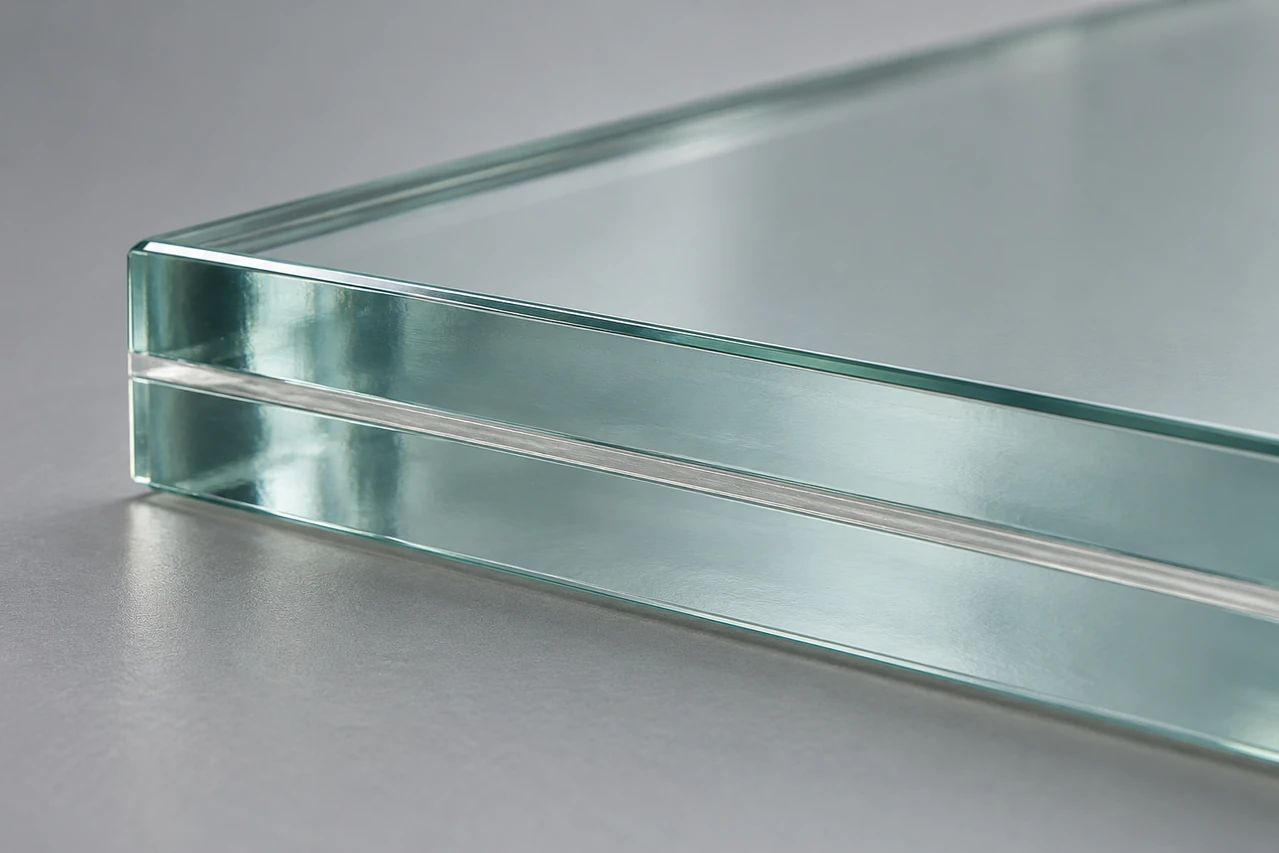
Laminated glass
Two or more glass plies bonded by one or more interlayers so fragments can be retained and the assembly can provide selected safety, security, acoustic, or other performance.
Two or more glass plies bonded by one or more interlayers so fragments can be retained and the assembly can provide selected safety, security, acoustic, or other performance.
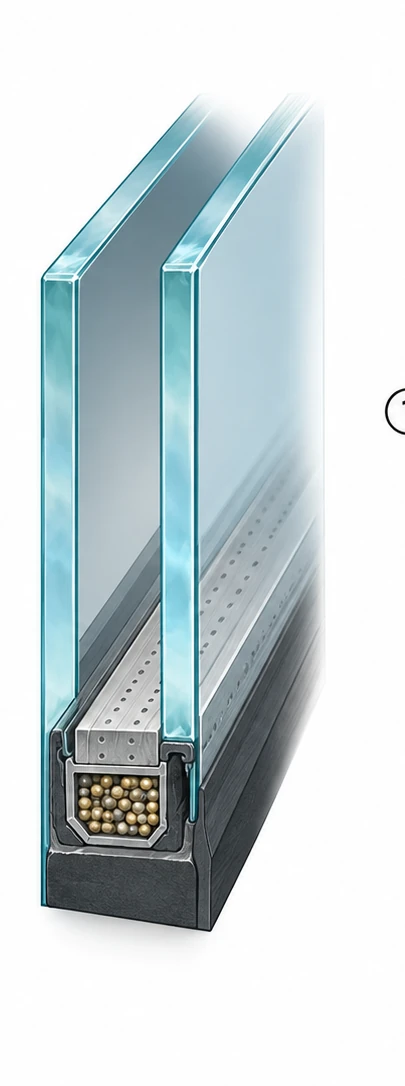
A sealed glazing assembly containing two or more lites separated by one or more spaces, commonly with spacers and sealed edges.
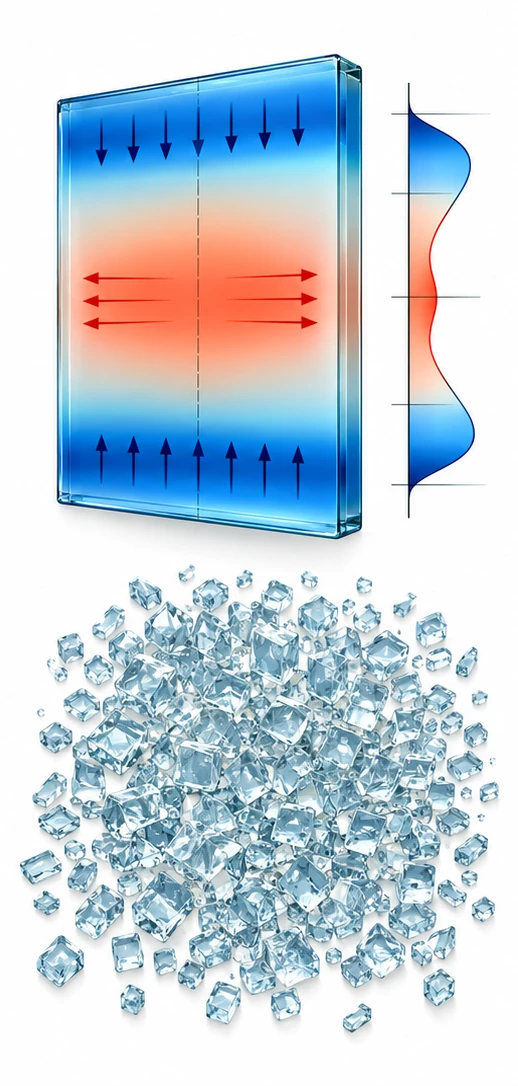
Flat glass heat-treated to a specified high surface-compression state and characteristic fragmentation behavior.
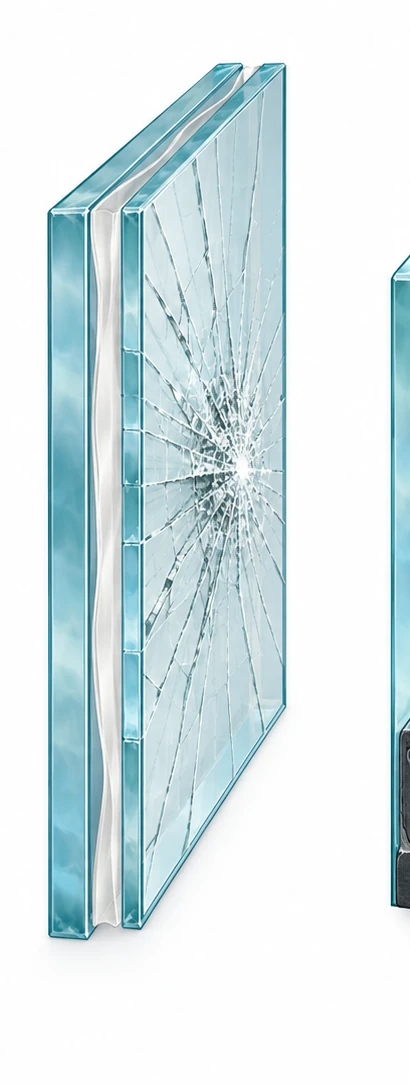
Glazing material that meets the applicable impact-safety requirements for a specified use and jurisdiction.
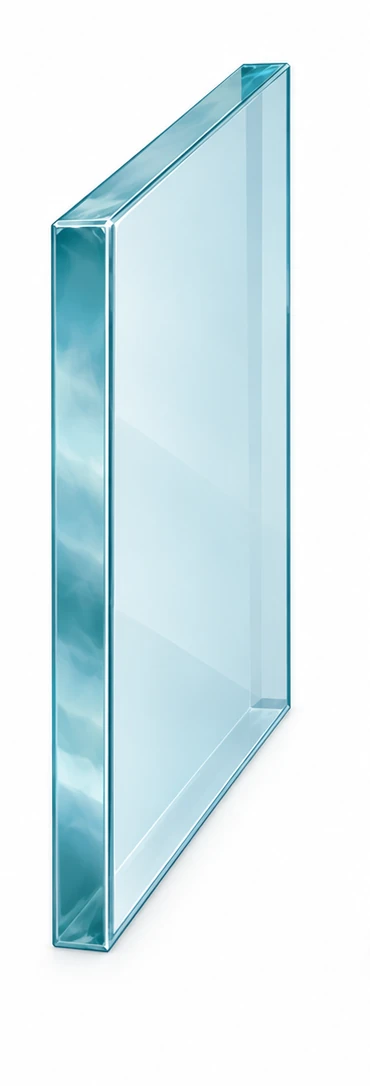
A glazing construction consisting of one lite of glass rather than multiple plies or sealed panes assembled together.
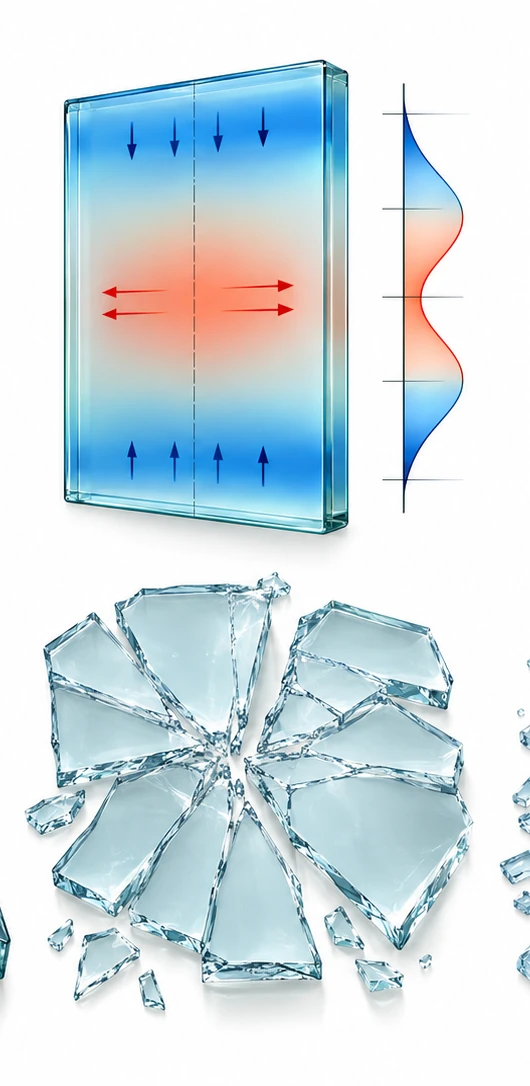
Flat glass reheated and cooled to create more surface compression than annealed glass but less than fully tempered glass.
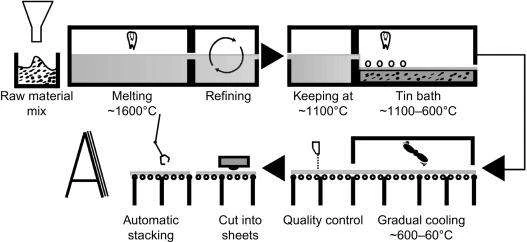
Flat glass produced by floating molten glass on molten tin so the ribbon develops flat, nearly parallel surfaces before controlled cooling.
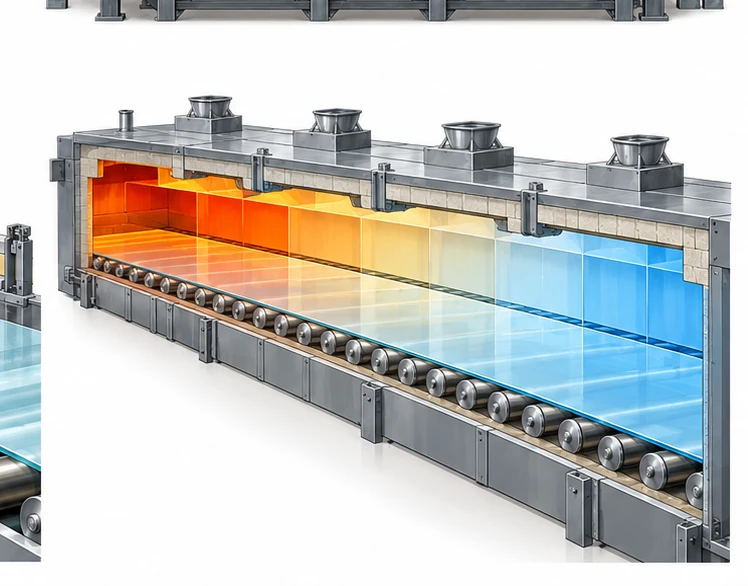
Glass cooled in a controlled manner to reduce residual manufacturing stress so it can be cut and fabricated before installation.
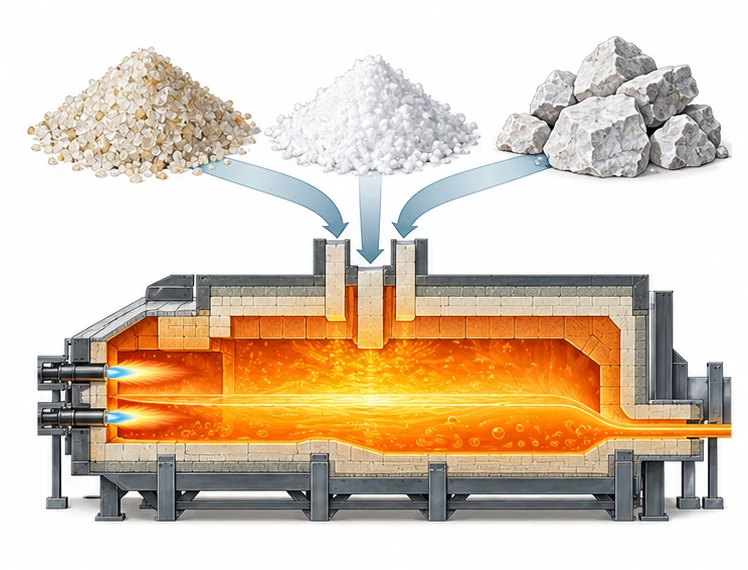
The dominant commercial glass family made mainly from silica with sodium- and calcium-containing ingredients that make the glass practical to melt and chemically stable enough for common use.
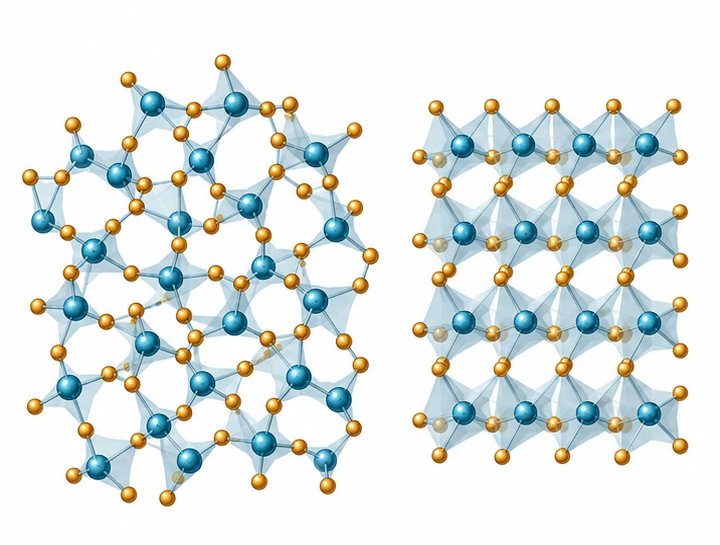
A hard, brittle, non-crystalline material formed by cooling a melt without creating a regular crystal structure. Architectural glass is usually a silica-based composition.