Anisotropy (strain pattern)
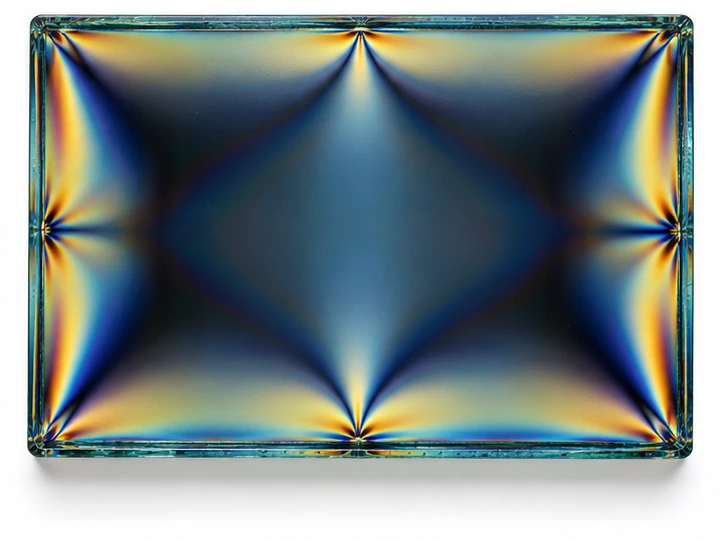
A patterned visual effect that can appear in heat-treated glass under polarized light because the residual stress distribution changes how light passes through the lite.
A patterned visual effect that can appear in heat-treated glass under polarized light because the residual stress distribution changes how light passes through the lite.
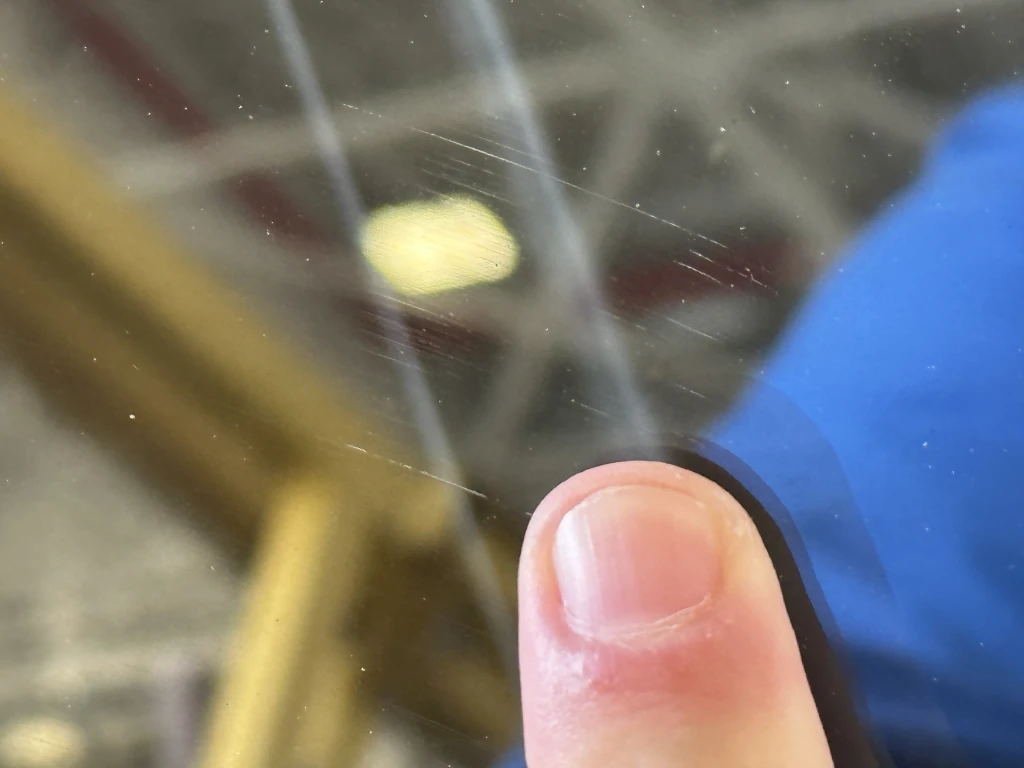
A localized discontinuity or damaged region at a glass surface that can concentrate stress and reduce practical strength.
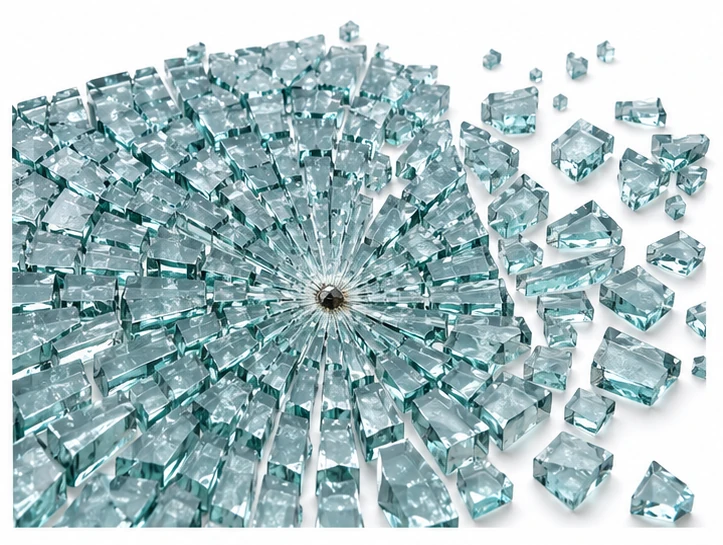
Breakage that occurs without an immediately observed impact or other obvious triggering event.
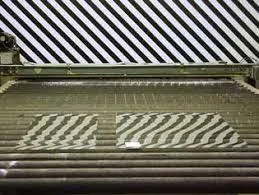
A repeating wave-like departure from flatness produced as softened glass travels over rollers during horizontal heat treatment.
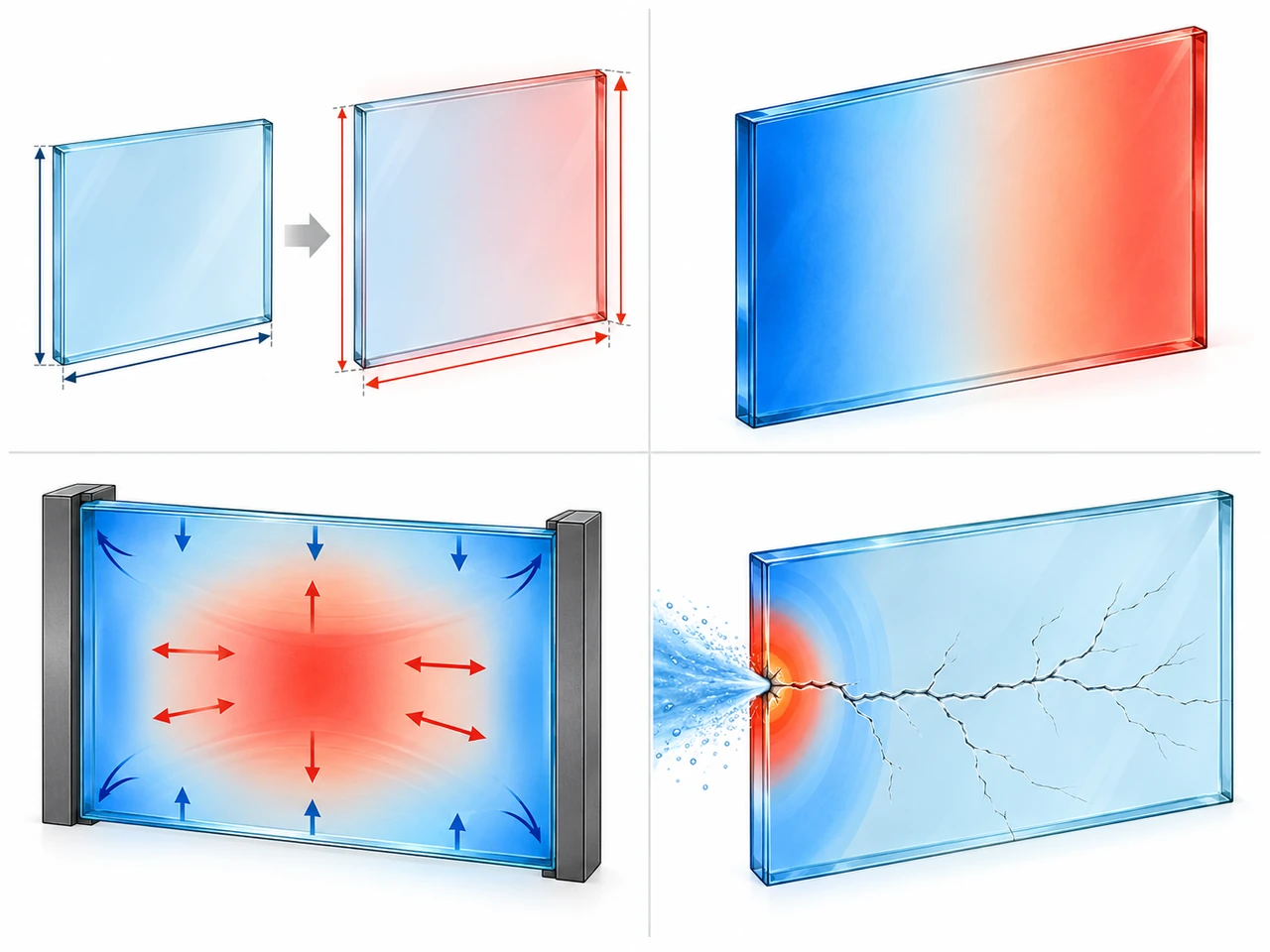
A rapid temperature change or severe temperature difference that creates enough stress to crack or break glass.
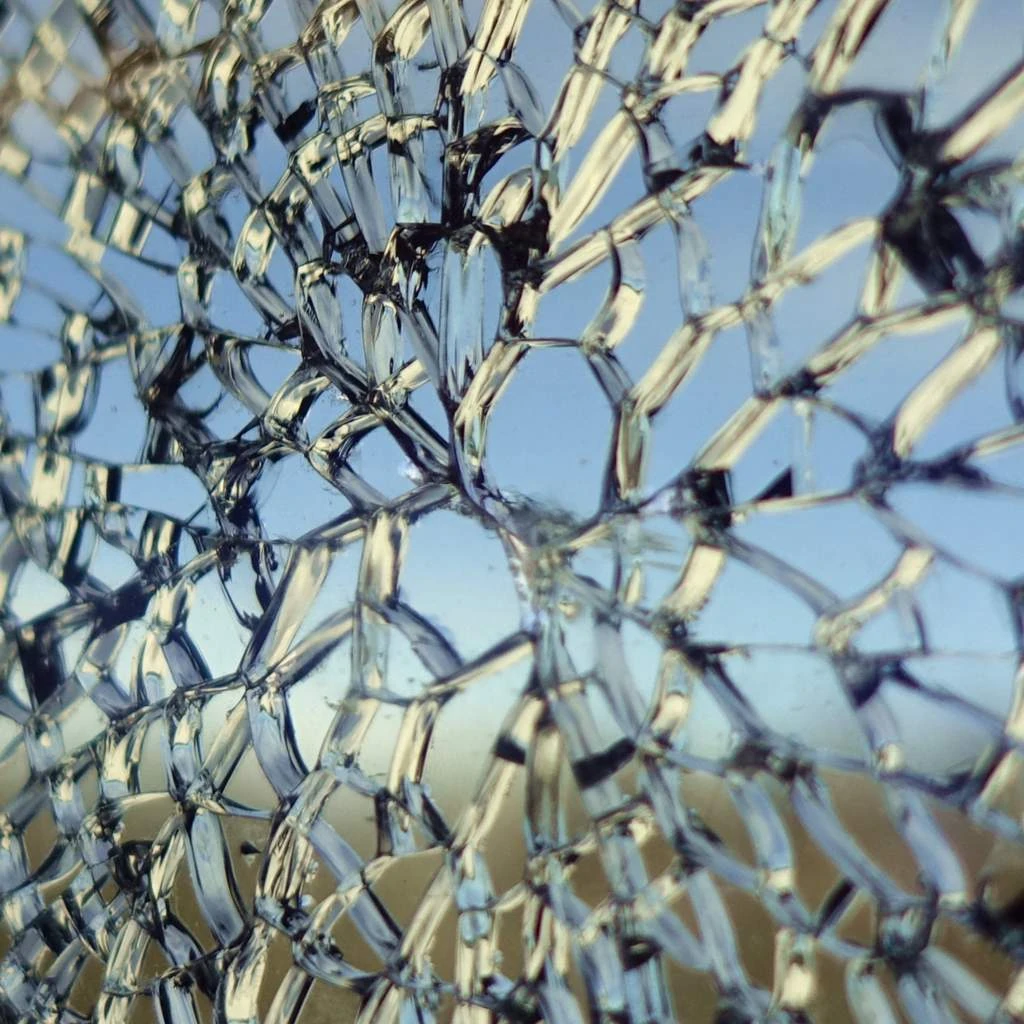
A rare nickel-sulfur particle that can be present in float glass and, in some fully tempered lites, can contribute to delayed spontaneous breakage.
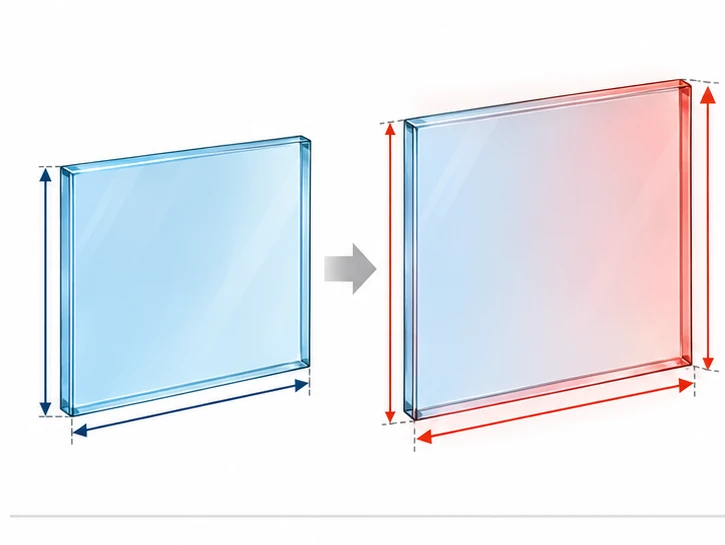
A difference in temperature between locations within the same glass lite or assembly.
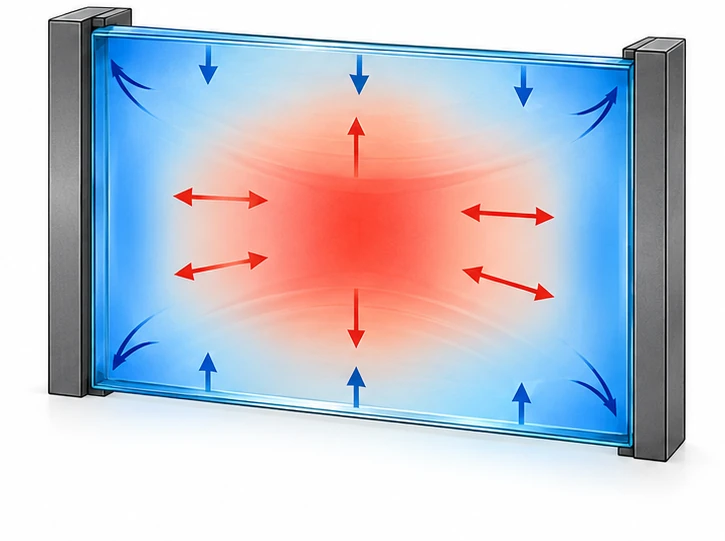
Mechanical stress produced when parts of a glass lite expand or contract by different amounts because of temperature differences or restraint.
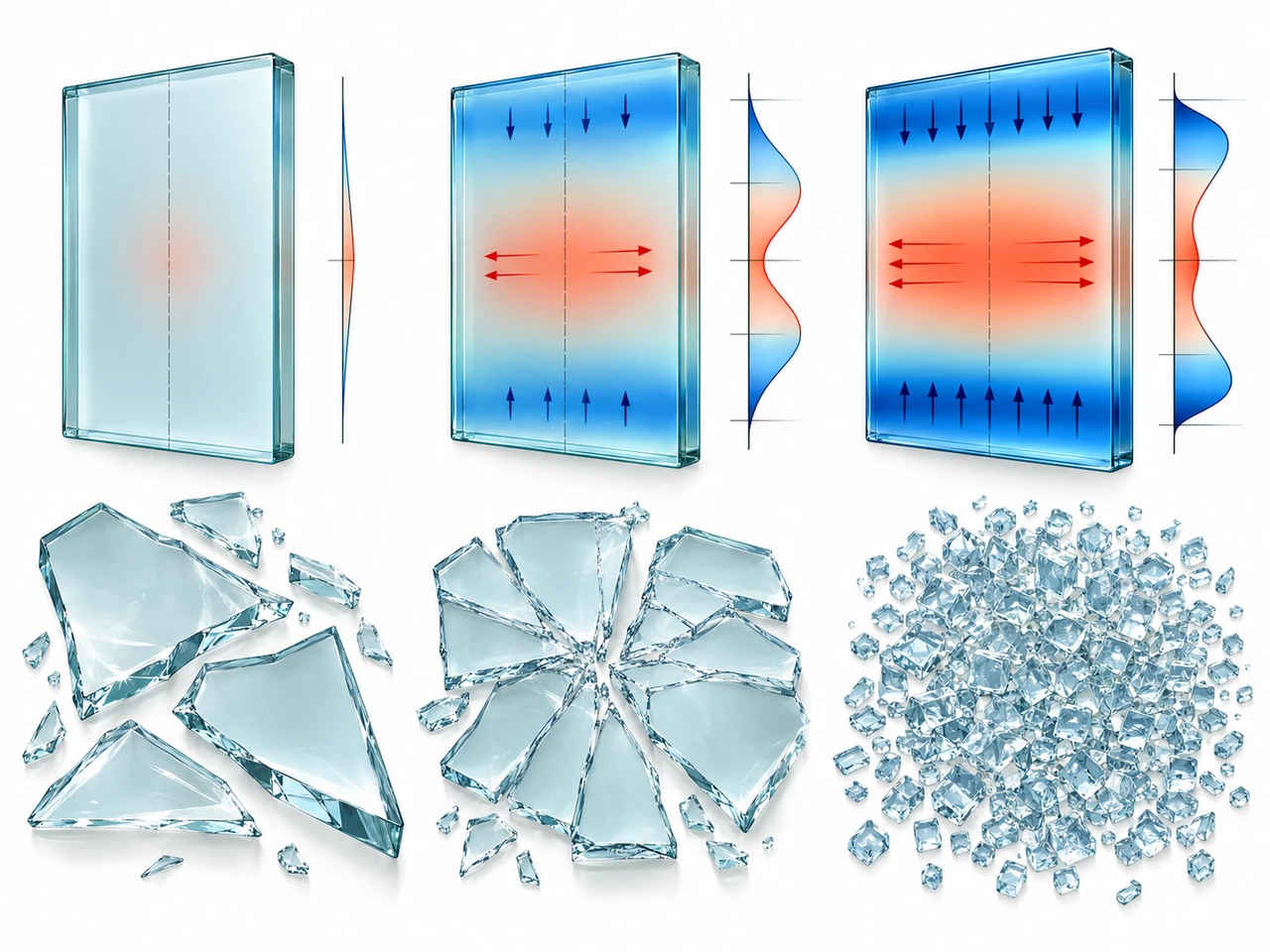
A compressive stress state at or near a glass surface, intentionally increased by heat strengthening or tempering.