
A restoration or finishing operation performed with deliberately applied liquid at the tool-surface interface.
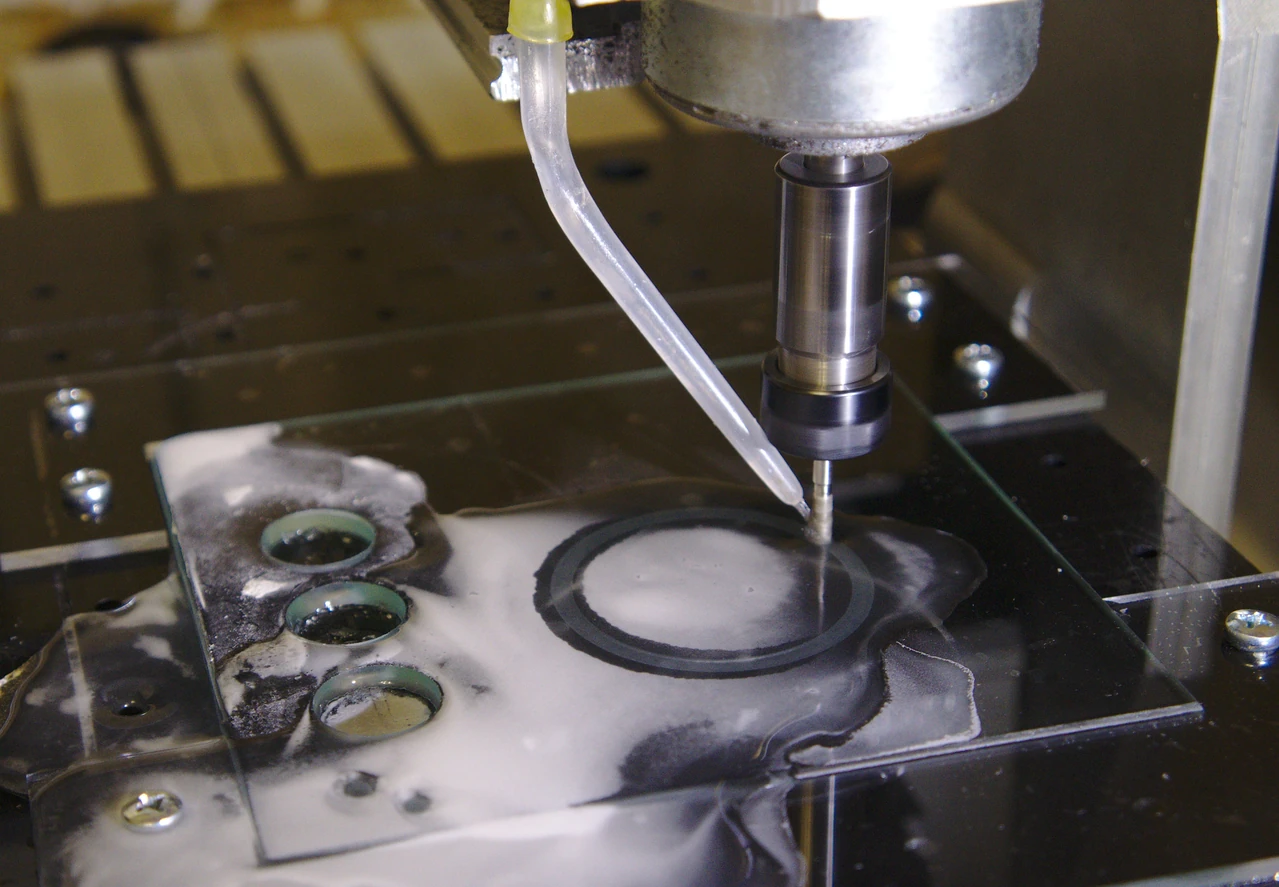
whitequark — CC0 · Image source · Image source
Meaning and boundaries
Wet processing can reduce airborne dust and heat but does not eliminate aerosols, splash, slip, electrical, runoff, contamination, or waste hazards.
Why it matters in glass restoration
It requires coordinated process, containment, electrical, housekeeping, PPE, and waste controls.
Related terms
References
- NASA — Handbook for Recommended Material Removal Processes for Advanced Ceramic Test Specimens and Components
Publisher’s original source - National Institute for Occupational Safety and Health — NIOSH Pocket Guide: Silica, Amorphous
Publisher’s original source - Electronic Code of Federal Regulations / OSHA — 29 CFR 1926.404 — Wiring Design and Protection
Publisher’s original source - Electronic Code of Federal Regulations / OSHA — 29 CFR 1910.334 — Use of Electrical Equipment
Publisher’s original source - Electronic Code of Federal Regulations / OSHA — 29 CFR 1910.141 — Sanitation, Wet Processes
Publisher’s original source