
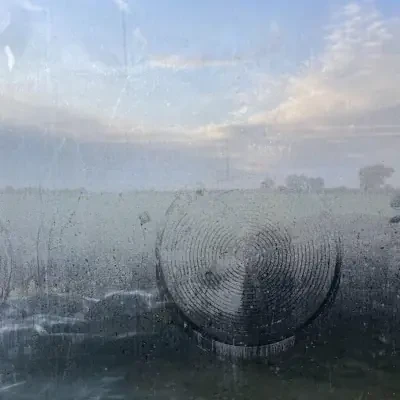
Contaminants that sit on the exposed surface of the glass and require treatment beyond routine soap-and-water cleaning. Examples include paint or paint spray, adhesive, ink, stickers, rubber transfer, grease, deposits, suction-cup marks, and heat haze.
GlassRenu media library · Image source · Image source
Meaning and boundaries
Category 1 is material or contamination on the glass surface, not damage within the glass. Remove or treat the contaminant first. If a visible substrate mark remains afterward, classify that remaining condition separately as Category 2, 3, 4, or 5.
Why it matters in glass restoration
Separating surface contamination from glass damage prevents unnecessary grinding or polishing and directs technicians toward the appropriate solvent, cleaner, or other contaminant-removal process first.
Related terms
References
- GlassRenu — Suction Cup Rings
Publisher’s original source - GlassRenu — Heat Haze
Publisher’s original source - National Glass Association — Proper Procedures for Cleaning Architectural Glass Products
Publisher’s original source - International Window Cleaning Association — IWCA Guide to Architectural Glass for Professional Window Cleaners
Publisher’s original source - GlassRenu — Visual Inspection Standards for Architectural Glass Damage Assessment and Restoration (VIS-A / VIS-DA)
Publisher’s original source