
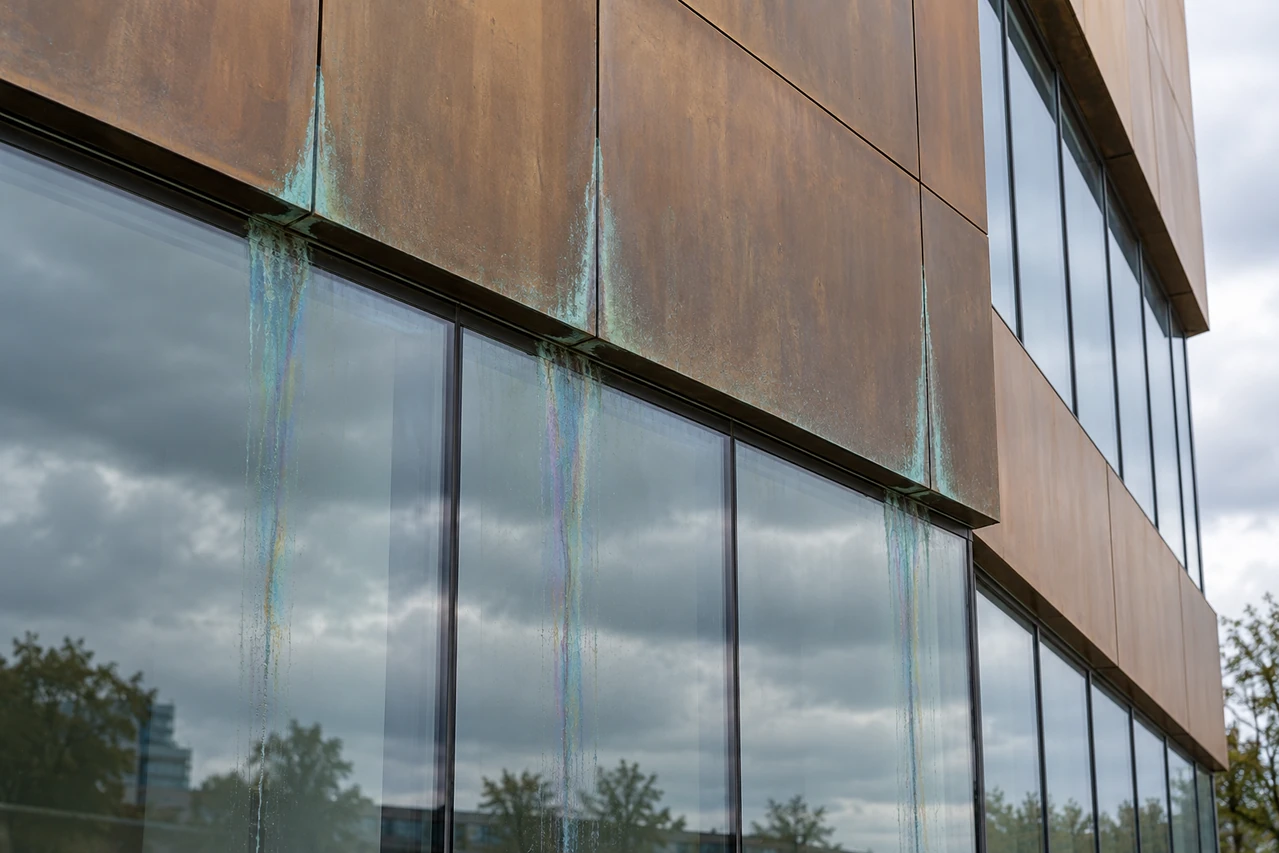
Iridescent weathering
Rainbow-like color produced when thin altered layers on weathered glass interfere with reflected or transmitted light.
Rainbow-like color produced when thin altered layers on weathered glass interfere with reflected or transmitted light.
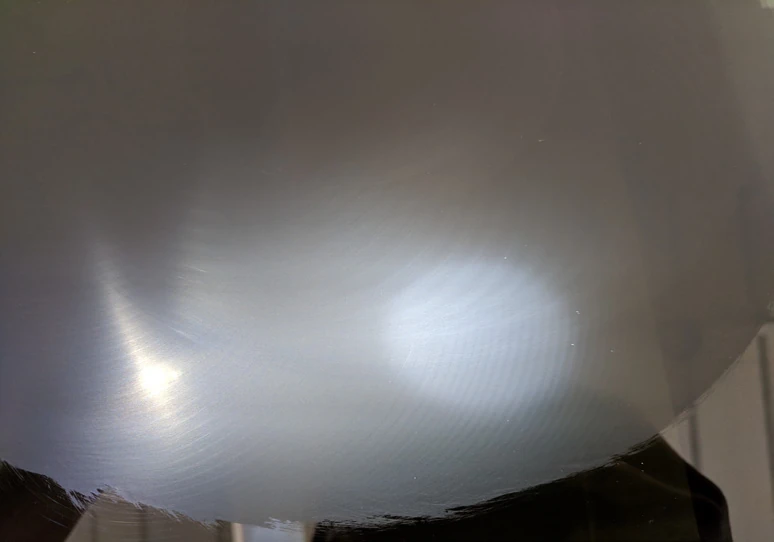
A cloudy or veiled appearance caused by light scattering from material on a surface, surface roughness, internal features, moisture, or optical effects.
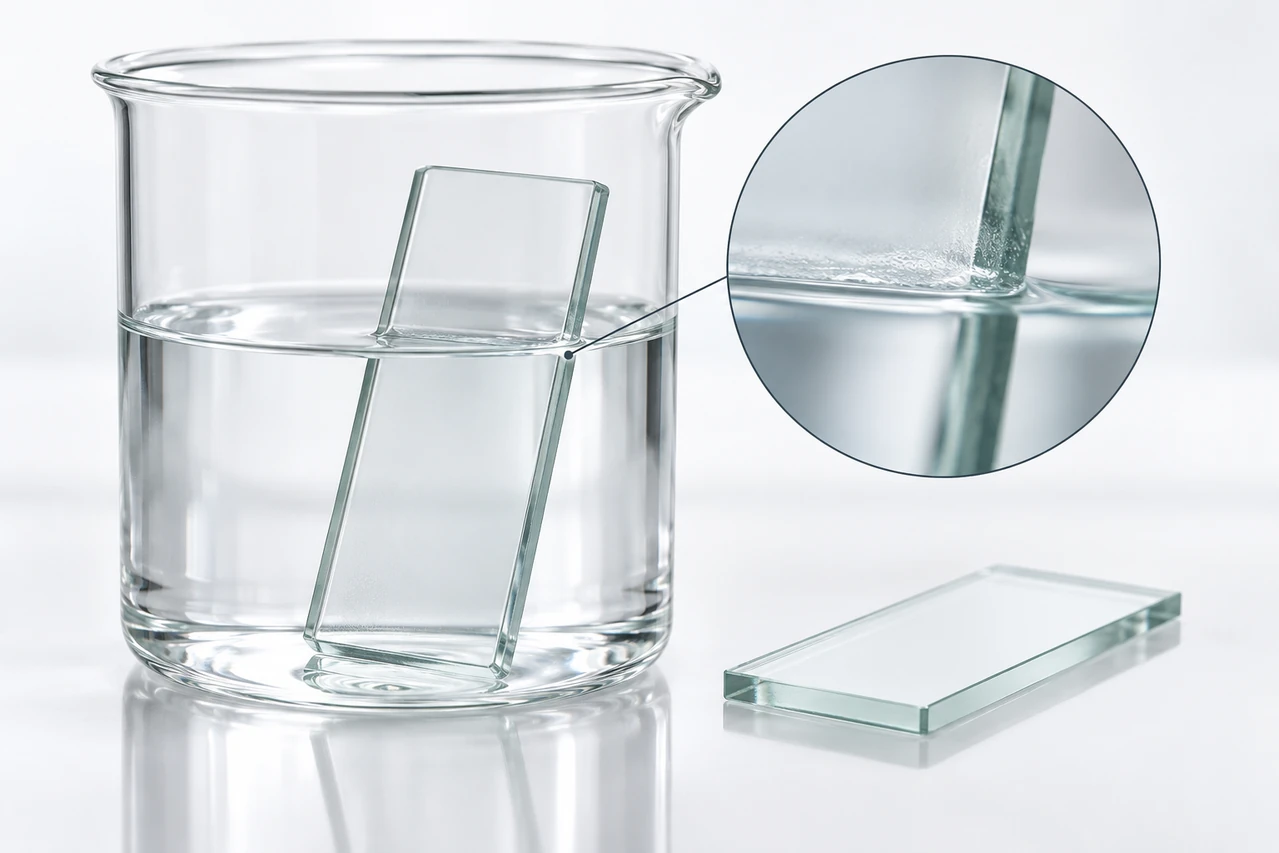
The ability of a glass or glass surface to resist chemical alteration under defined exposure conditions.
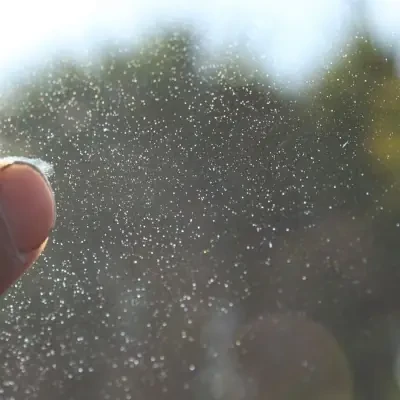
Localized loss or disruption of surface material that produces small depressions or cavities in glass or a coating.
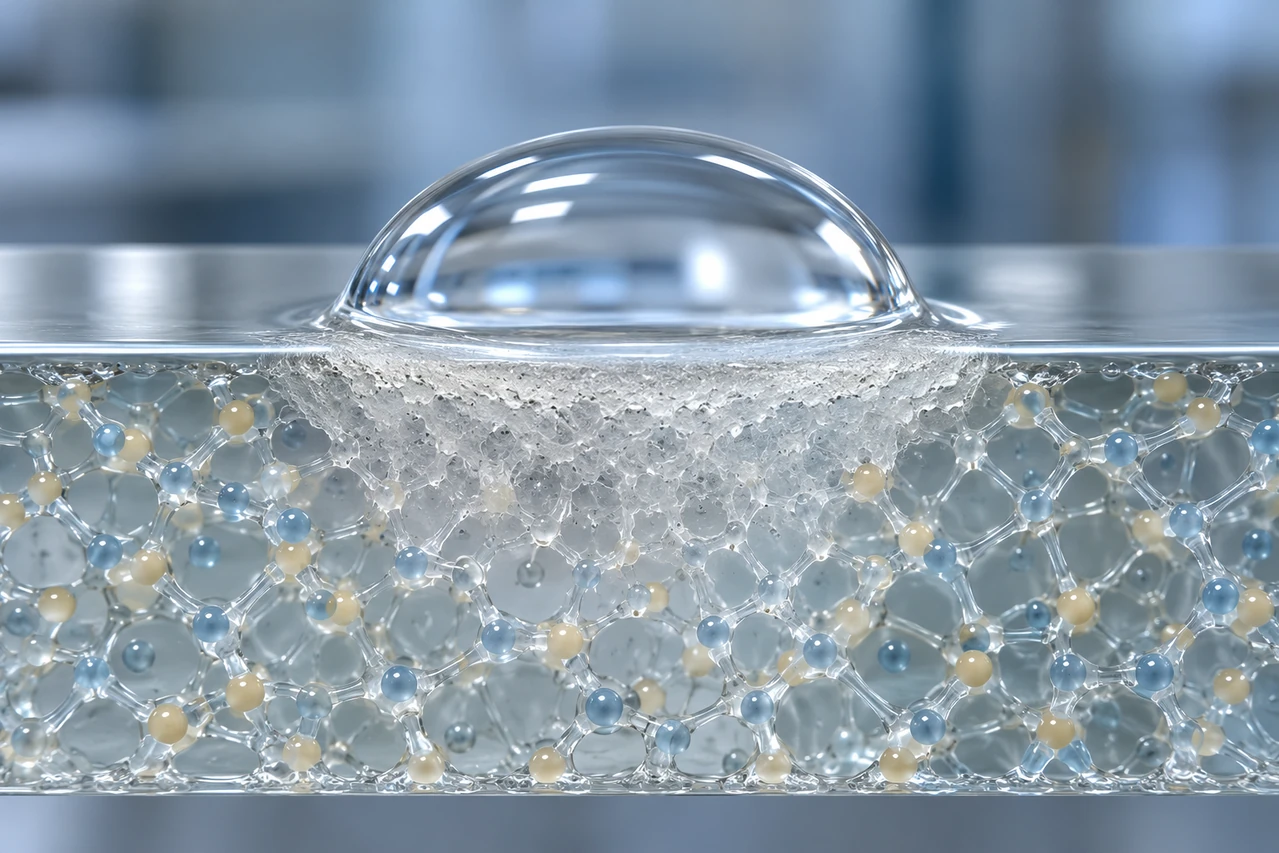
Chemical alteration produced when a basic or alkaline liquid attacks the silica network or other components of glass, a coating, or a decoration.
A measure of how well glass resists the release of soluble constituents when exposed to water under a specified test method.
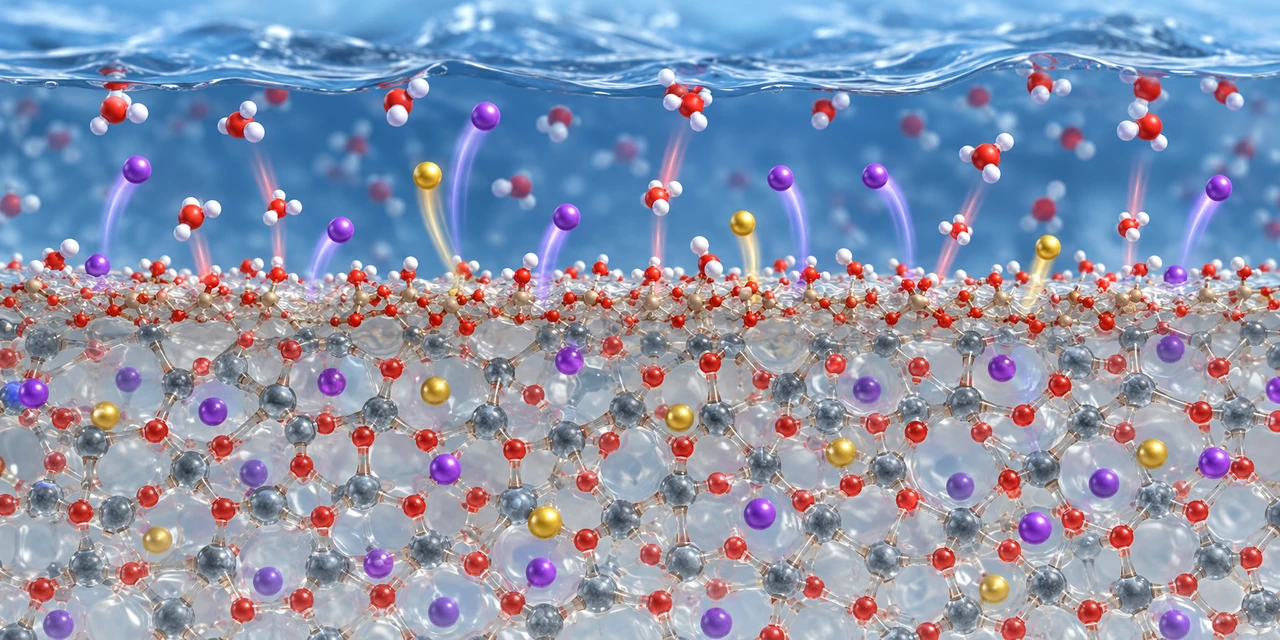
A water-containing, silica-rich altered layer that can remain after more soluble glass constituents are removed or reorganized near the surface.
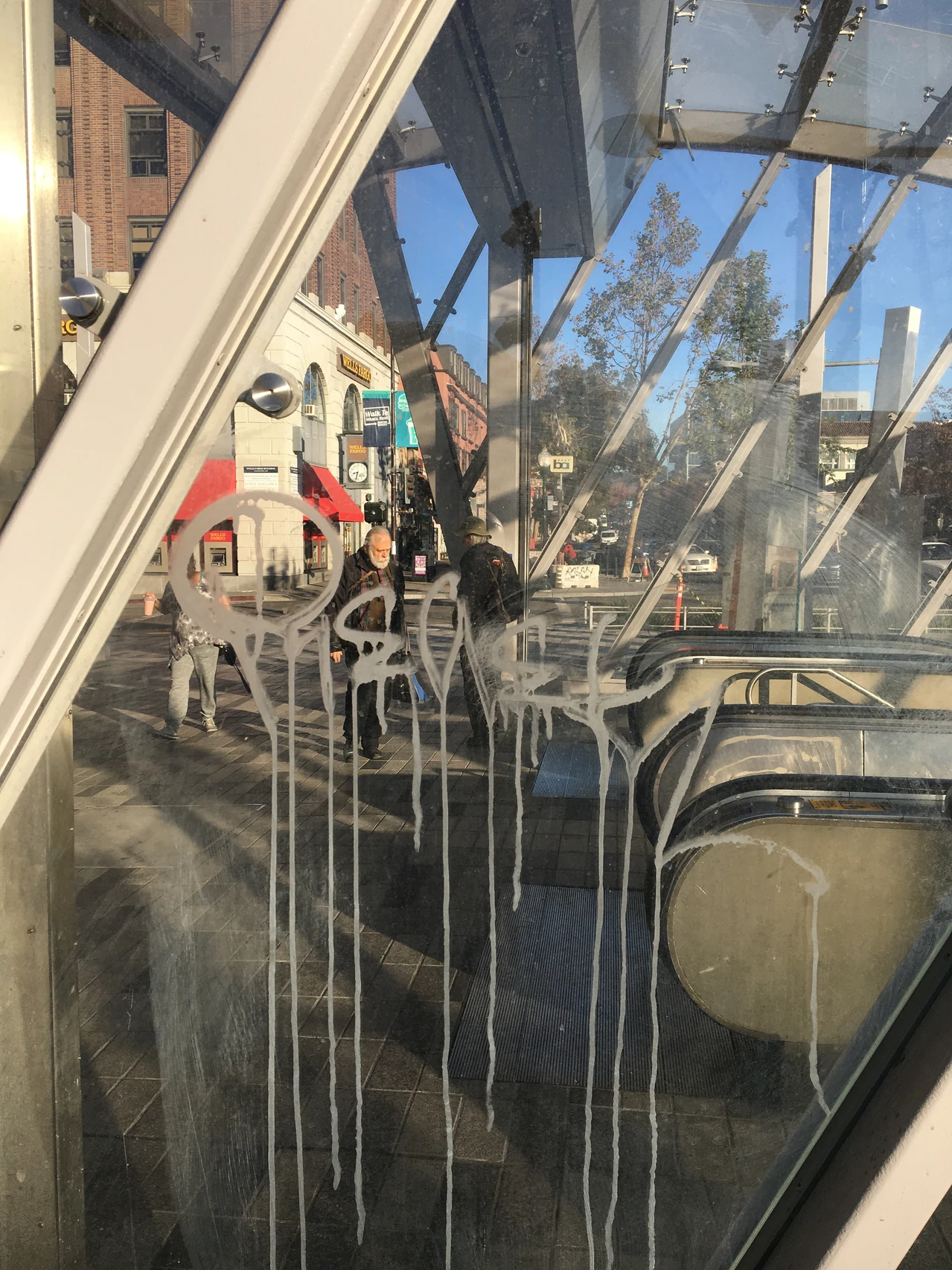
Chemical alteration produced when an acidic material reacts with glass, a coating, decoration, seal, or adjacent glazing component.
A surface reaction in which ions in glass are replaced by different ions from a contacting liquid, commonly involving alkali ions in the glass and hydrogen-containing species from water.
Preferential removal of soluble glass constituents into a contacting liquid, leaving the near-surface composition different from the original glass.