
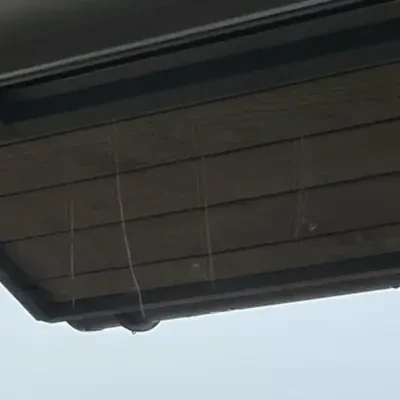
Razor-blade scratch
A linear mark associated with a blade or scraper moving directly on glass or dragging trapped particles across it.
A linear mark associated with a blade or scraper moving directly on glass or dragging trapped particles across it.
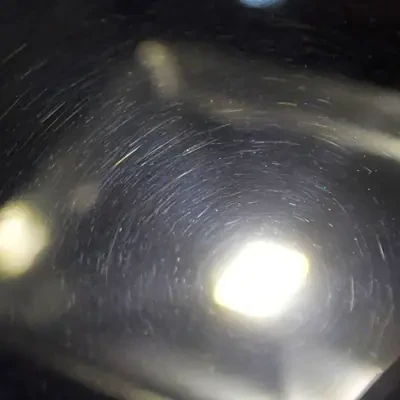
A field of fine scratches, swirls, haze, or scuffing produced when abrasive particles or tools move across glass during cleaning.
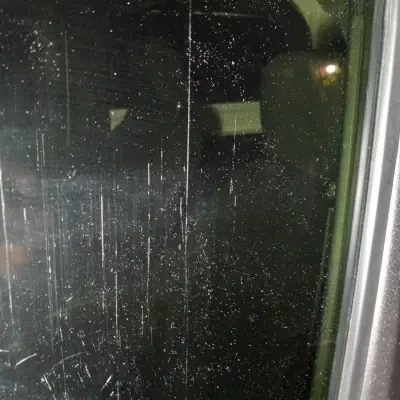
A mark produced when metal contacts and moves across glass, transferring metal, scratching the surface, or doing both.
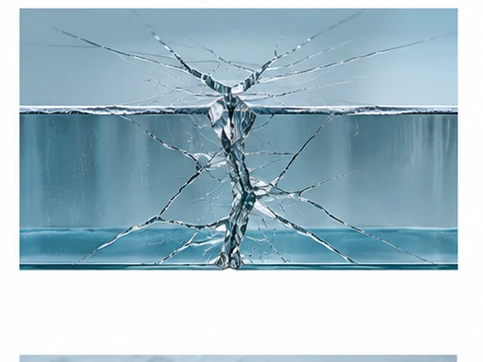
A condition that cannot be safely or effectively restored in place or lies outside GlassRenu’s approved restoration scope.
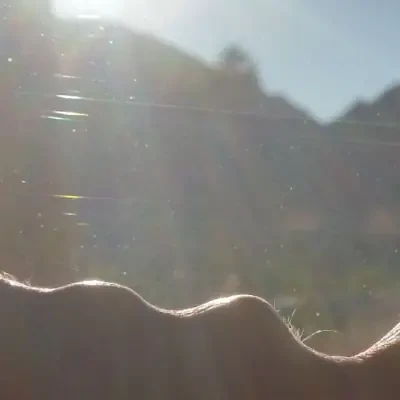
A field term for small fine scratches and/or pits associated with particles or debris contacting glass during manufacturing, handling, or roller transport.
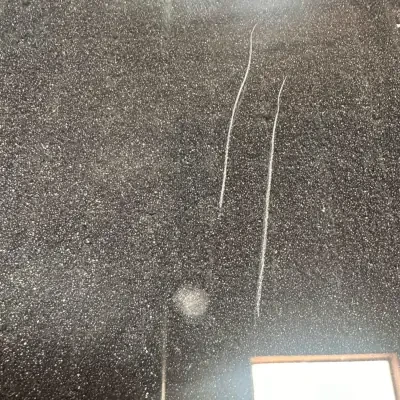
Visible surface damage that can be felt with a light pass of a clean, dry fingernail but remains a clean, isolated, continuous scratch or groove without visible chipping or flecking along its edges.
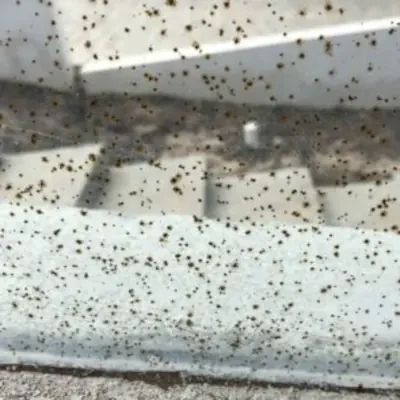
Visible, tactile glass damage with small chips, flecks, rough breakout, pits, craters, fused particles, or other edge deterioration along or around the damaged area.
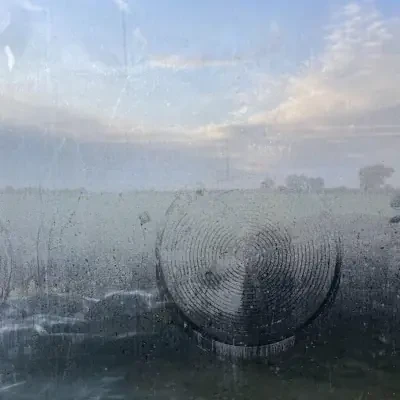
Contaminants that sit on the exposed surface of the glass and require treatment beyond routine soap-and-water cleaning. Examples include paint or paint spray, adhesive, ink, stickers, rubber transfer, grease, deposits, suction-cup marks, and heat haze.
Visible surface damage that can be seen in direct sunlight or controlled raking light but cannot be felt with a light pass of a clean, dry fingernail.

A glass surface that needs only routine cleaning with soap and water and shows no remaining bonded residue or visible damage after it is clean and dry.